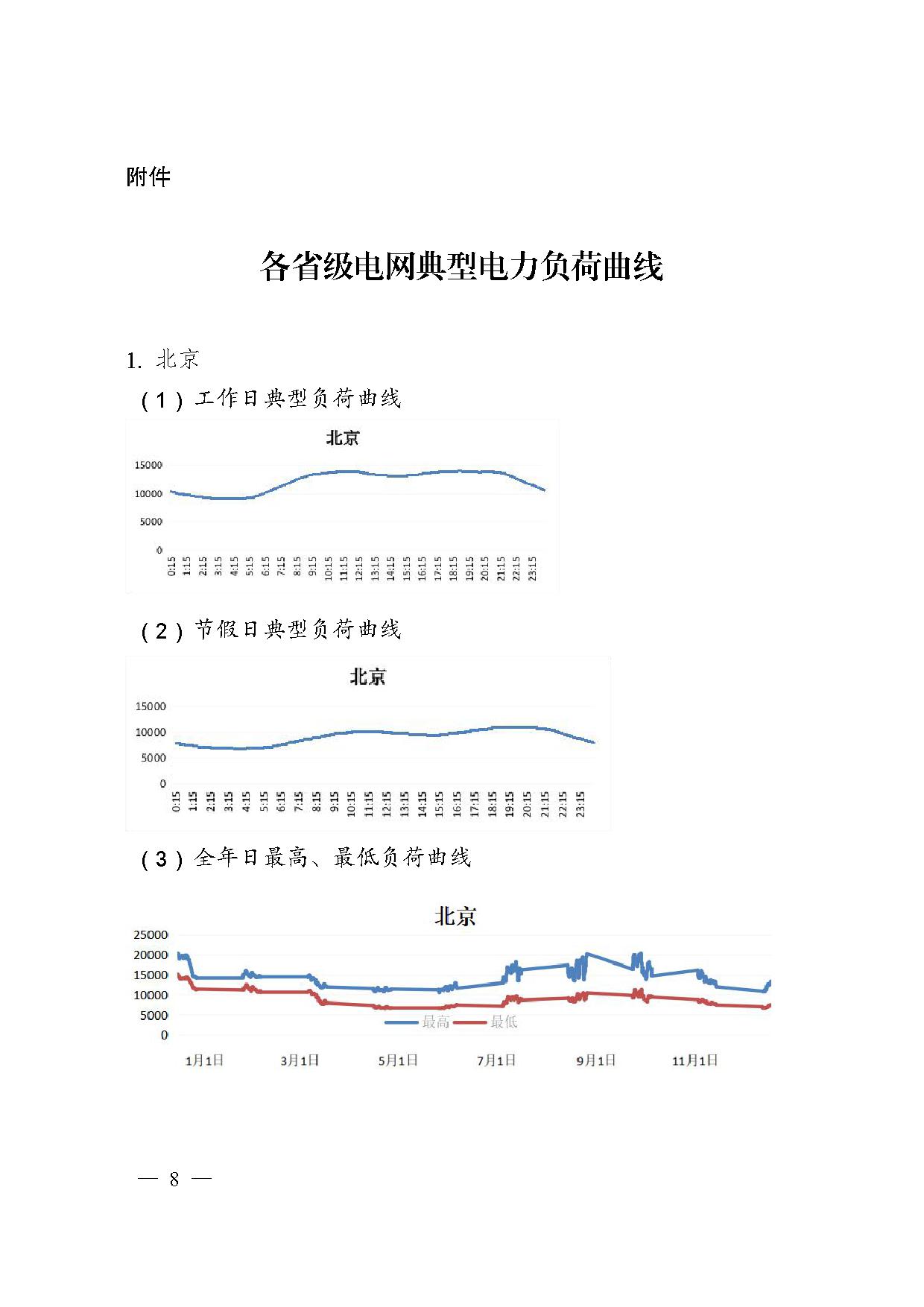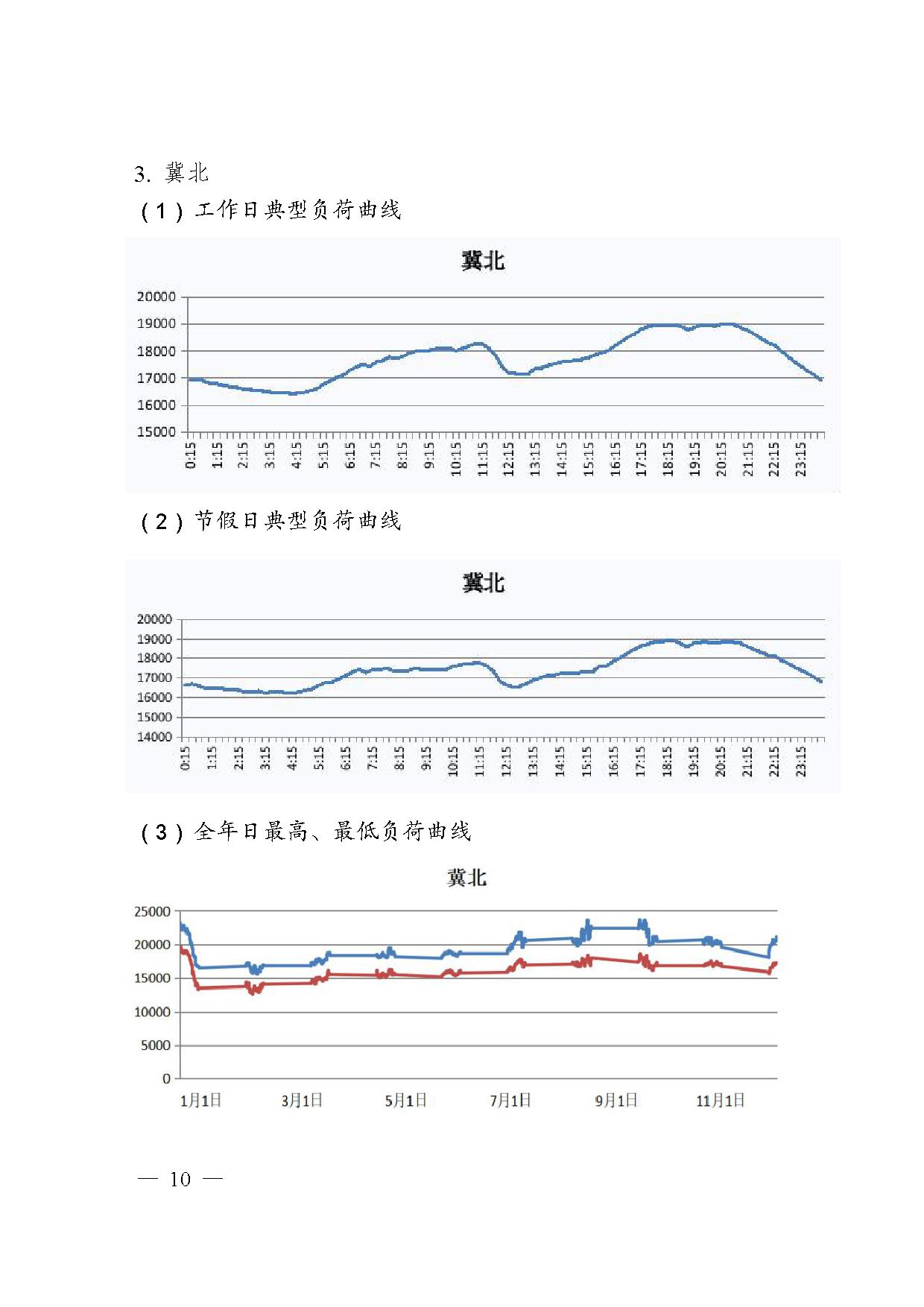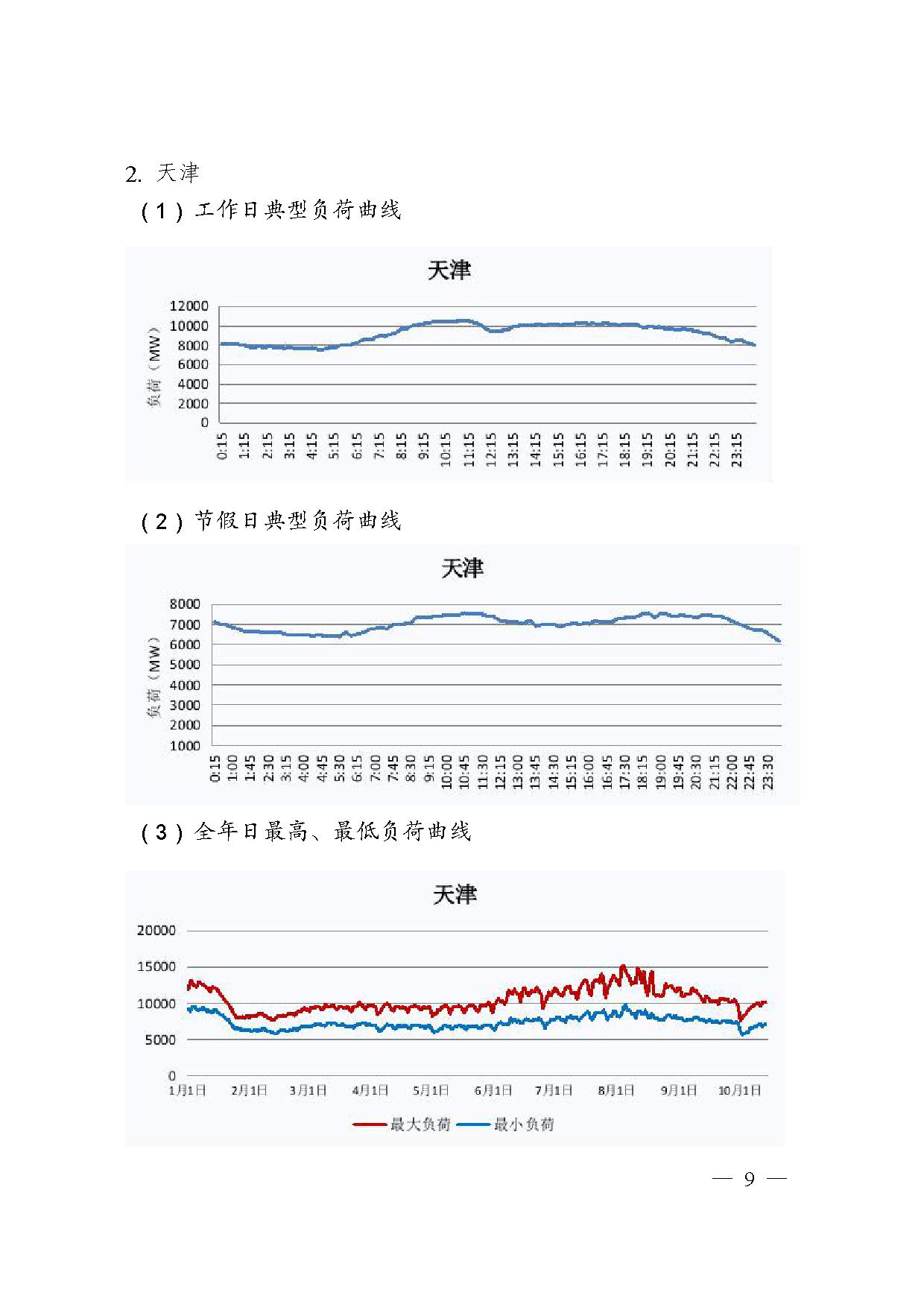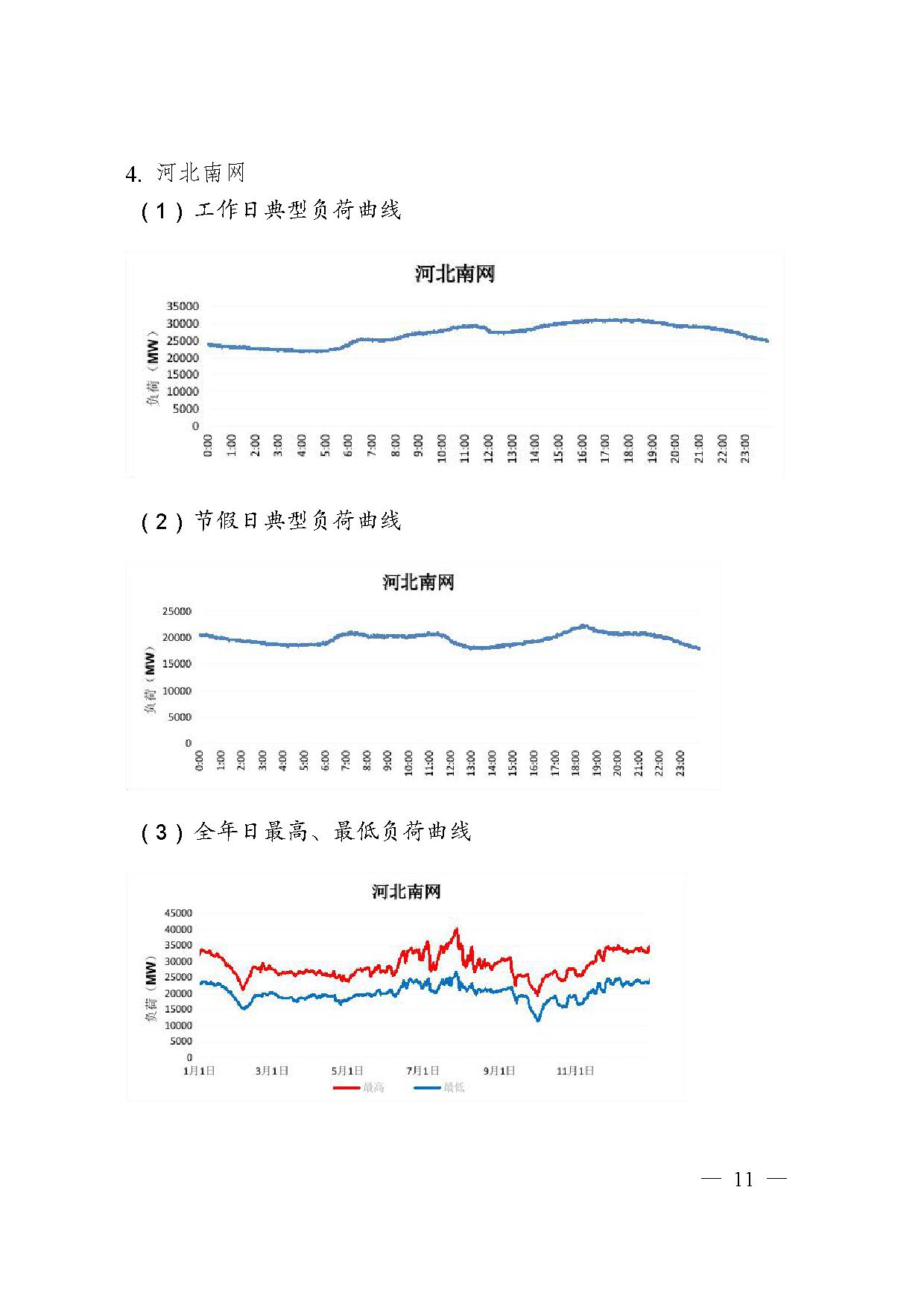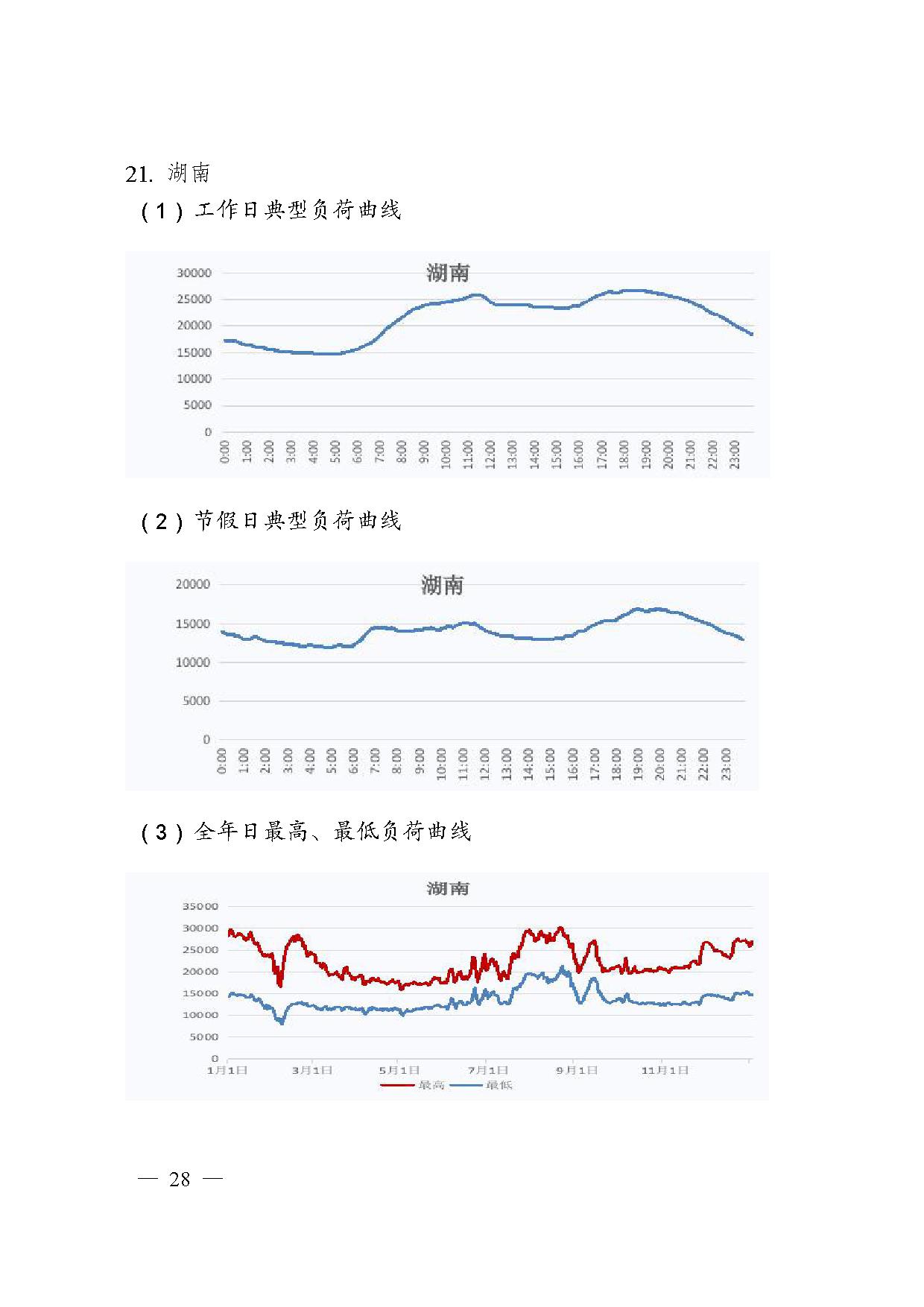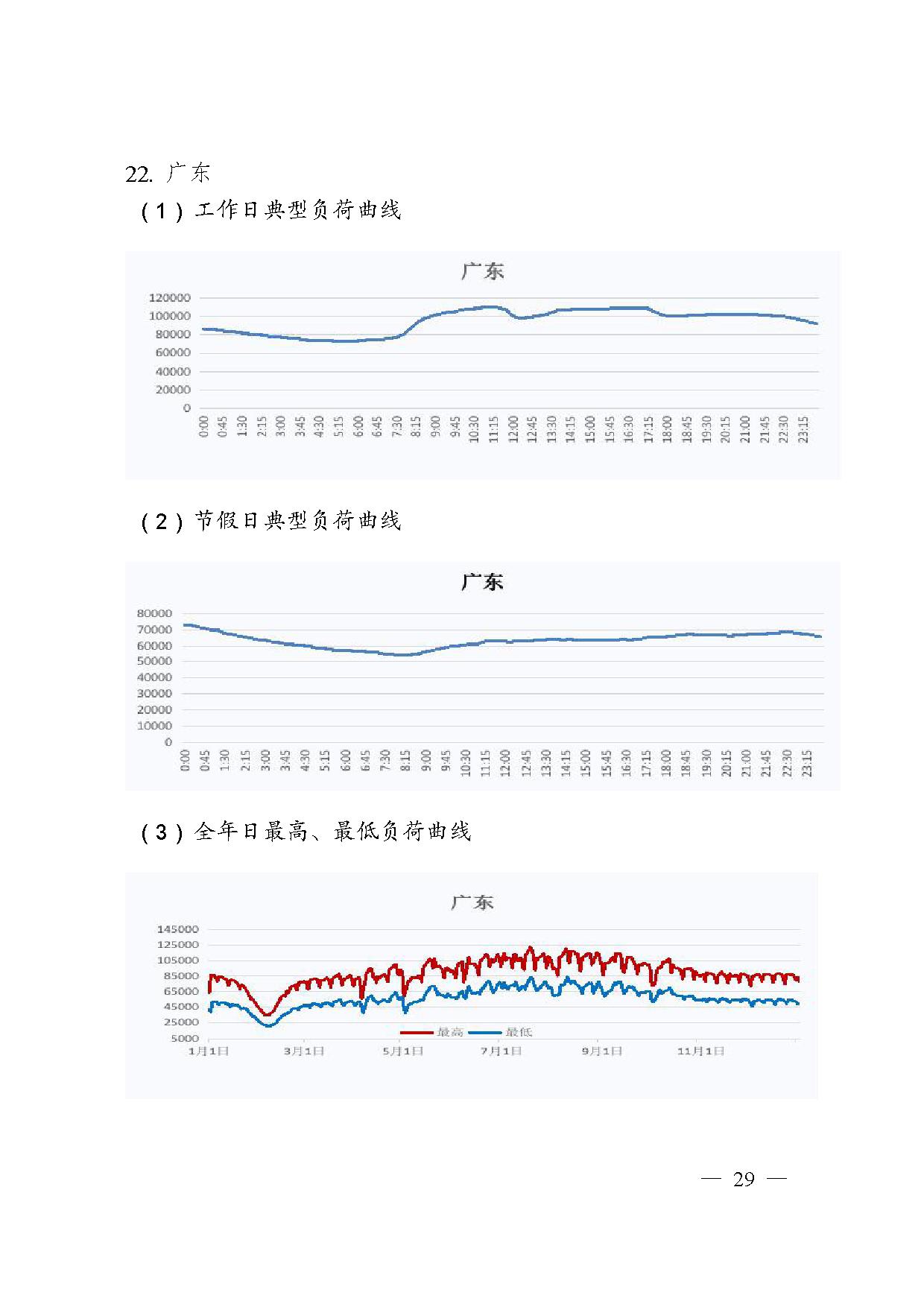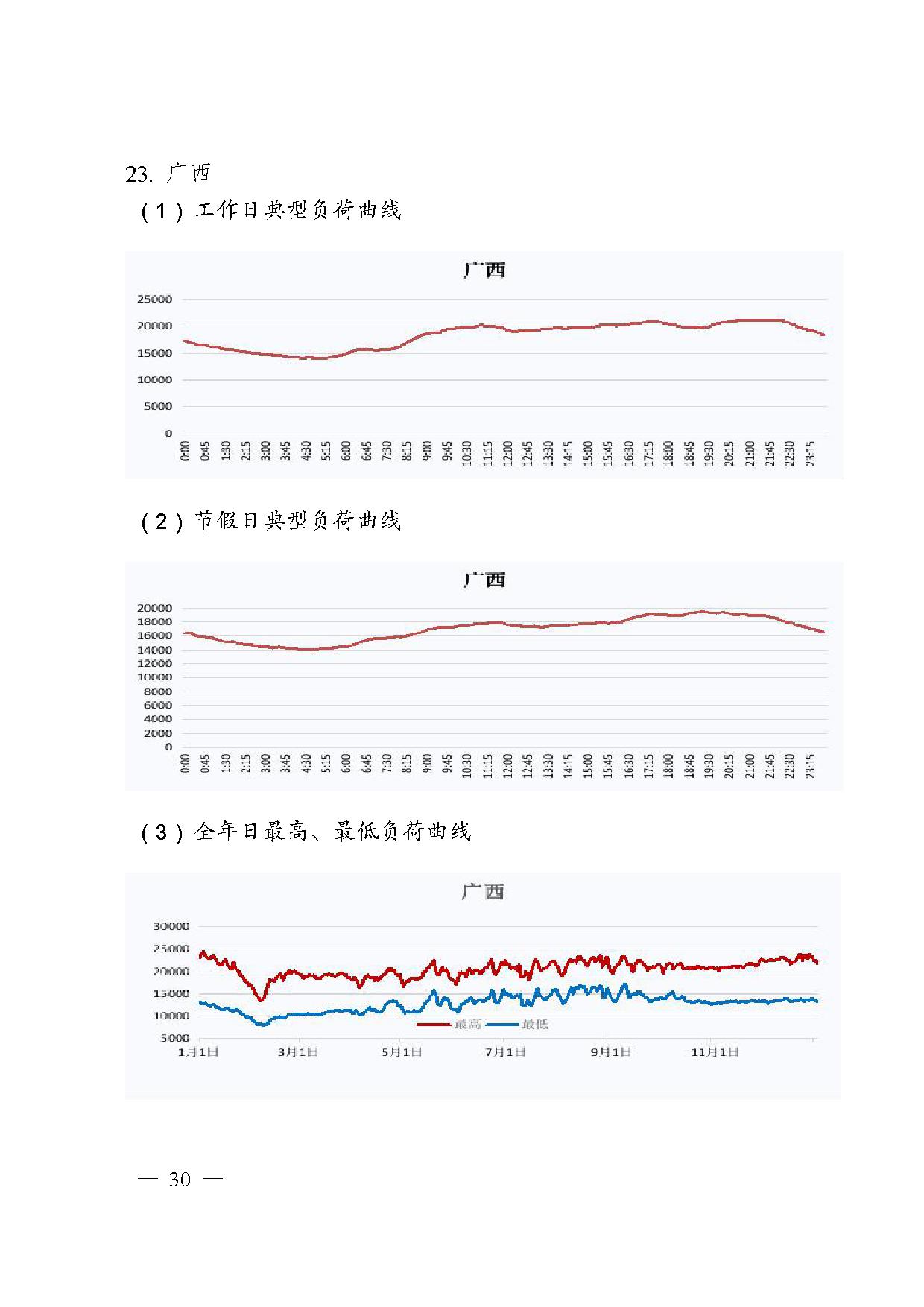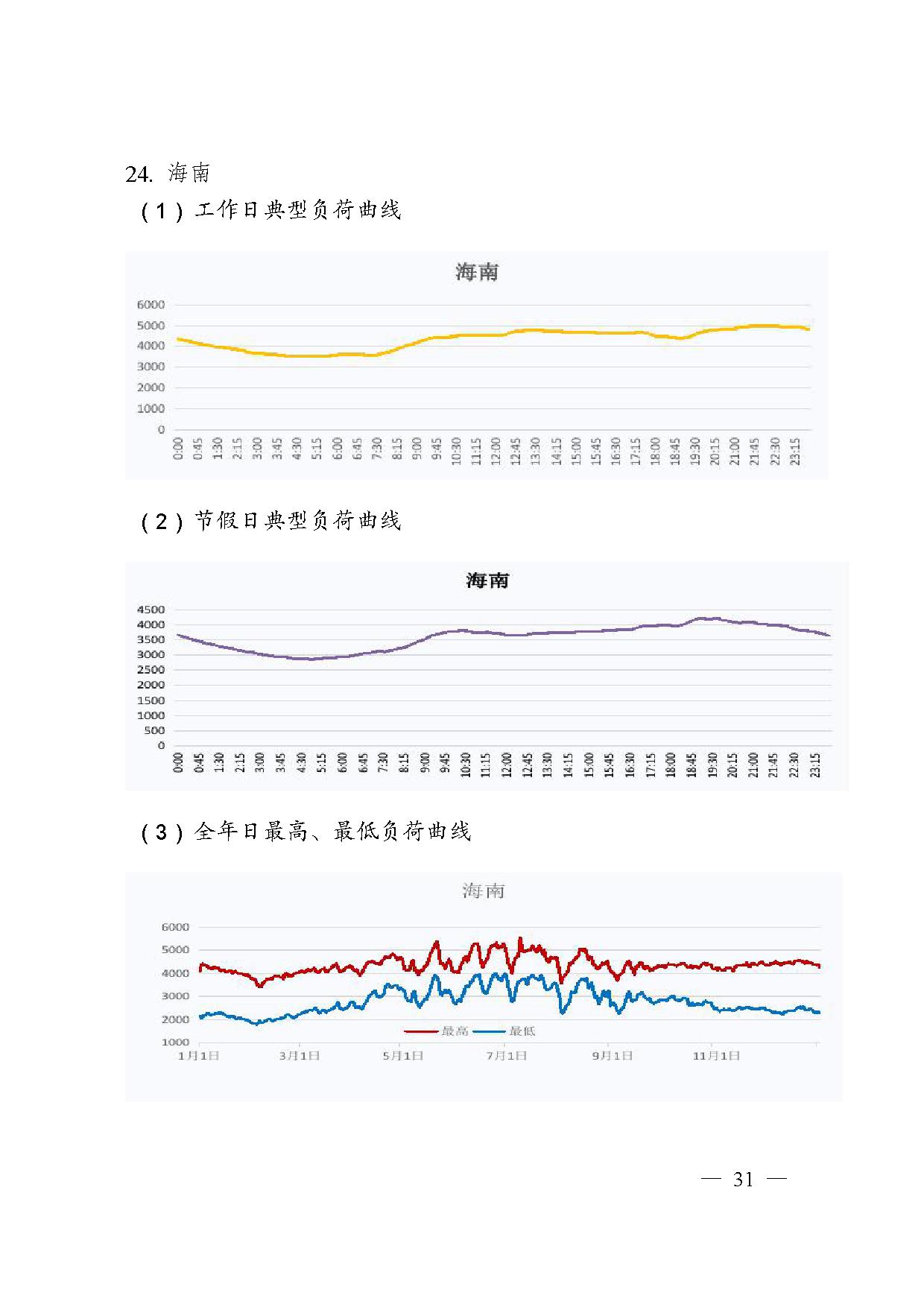






Favorable Policy for Energy Storage! NDRC and NEA Require Widening Peak-Valley Price Spreads! Attached: Provincial Power Load Curves
Polaris Energy Storage News: Polaris Energy Storage Network learned that on December 2, the National Development and Reform Commission (NDRC) and the National Energy Administration (NEA) issued the Circular on the Work of Signing Medium- and Long-Term Power Contracts for 2021. The document states that peak-valley price spreads shall be widened. When the two parties to a transaction sign time-of-use contracts, they may agree on transaction prices for peak and valley periods, or set the flat-period price with reference to the average transaction price of the previous year, with peak and valley prices floating upward or downward based on the flat-period price. As a contractual clause in power trading contracts between power purchasers and sellers, the peak-valley price spread shall be implemented on both the power generation and consumption sides to widen such spreads.
Power users are encouraged to provide their own power load curves to sign medium- and long-term power contracts. Power retailers, comprehensive energy service providers and other institutions are encouraged to provide more granular and precise power load curves to help market participants better engage in market transactions.
Circular of the National Development and Reform Commission and the National Energy Administration on the Work of Signing Medium- and Long-Term Power Contracts for 2021
Document No.: FG Yun〔2020〕1784
Development and Reform Commissions, Economic and Information Commissions (Bureaus/Departments) and Energy Bureaus of all provinces, autonomous regions and municipalities directly under the Central Government; Beijing Municipal Commission of Urban Management; all regional energy regulatory authorities of the National Energy Administration; China National Nuclear Corporation, State Grid Corporation of China, China Southern Power Grid Co., Ltd., China Huaneng Group Co., Ltd., China Datang Corporation Ltd., China Huadian Corporation Ltd., State Power Investment Corporation Limited, China Three Gorges Corporation, China Energy Investment Corporation Limited, China Resources (Holdings) Co., Ltd., State Development & Investment Corporation, China General Nuclear Power Corporation:
To thoroughly study and implement Xi Jinping Thought on Socialism with Chinese Characteristics for a New Era, fully implement the spirits of the 19th National Congress of the Communist Party of China and the Second, Third, Fourth and Fifth Plenary Sessions of the 19th Central Committee, strengthen the development of the power production, supply, storage and sales system, advance market-oriented power reform, give better play to the “ballast stone” role of medium- and long-term transactions, and ensure the efficient and orderly operation of the power market, we hereby notify relevant matters concerning the signing of medium- and long-term power contracts for 2021 as follows:
I. Expedite the signing of medium- and long-term power contracts for 2021
Competent government authorities, power enterprises and trading institutions in all regions shall attach high importance to the signing of medium- and long-term power contracts for 2021, organize and coordinate the signing of intra-provincial and inter-provincial/trans-regional medium- and long-term power transaction contracts (including priority power generation), and strive to complete the signing of annual medium- and long-term contracts by the end of December 2020.
II. Ensure sufficient contract volume
(1) Give full play to the risk hedging function of medium- and long-term power contracts
Competent government authorities in all regions shall encourage market participants to sign medium- and long-term contracts, especially annual and longer-term contracts, set targets for signing annual and longer-term medium- and long-term contracts for 2021 in light of local conditions, and strive to ensure contracted electricity volume accounts for no less than 80% of the average electricity consumption of the previous three years. Subsequent monthly contract signing shall ensure that the contracted volume of medium- and long-term contracts reaches 90%–95% of the average electricity consumption of the previous three years. Commercial power users not participating in the market and priority power generation enterprises shall also follow relevant requirements for medium- and long-term contract signing, with grid enterprises signing contracts with such users or power generators.
(2) Encourage timely and high-proportion contract signing by market participants
Incentive mechanisms for the performance of medium- and long-term contracts shall be established and improved. For user-side market participants whose performance rate of 2020 medium- and long-term transactions and signing rate of 2021 medium- and long-term transactions meet requirements, priority may be given to contract transfer and adjustment, and partial exemption from deviation assessment fees.
(3) Guarantee power supply for commercial power users outside the power market
Grid enterprises shall undertake the obligation of guaranteed power supply for commercial power users not participating in power market transactions, and the catalog sales electricity prices shall still apply. For users exiting the market, grid enterprises shall provide guaranteed power supply before they re-enter market transactions, with electricity prices specified by rules.
III. Promote time-of-use contract signing
(1) Divide time periods reasonably based on local realities
Market participants engaged in transactions are encouraged to negotiate and agree on electricity volume and prices by time segment to sign medium- and long-term power contracts. Grid enterprises shall provide eligible market participants with inquiry services for historical power consumption data, continuously expand the scope of market participants and publish more detailed historical power consumption curves. Competent government authorities in all regions shall formulate and publish time segment division standards based on local historical power generation and consumption curves. At the initial stage, there is no mandatory requirement on the number of time segments. Contracts may be signed by dividing periods into peak, flat and valley periods, or into six to ten segments, with time segments gradually refined as the market mechanism improves. Regions with favorable conditions may classify months of the year into peak months, flat months and valley months by seasonal differences.
(2) Improve services for time-of-use contract signing
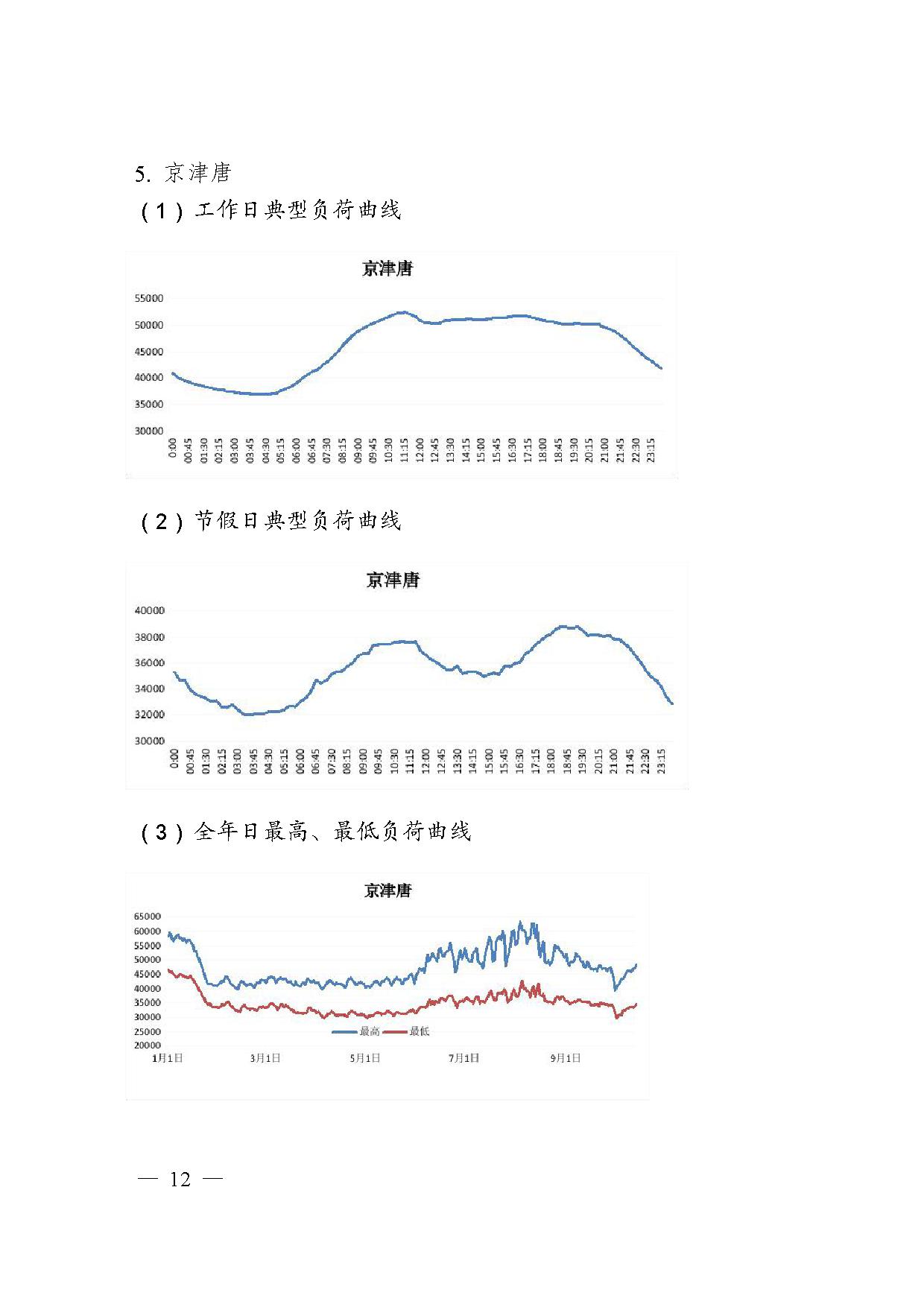
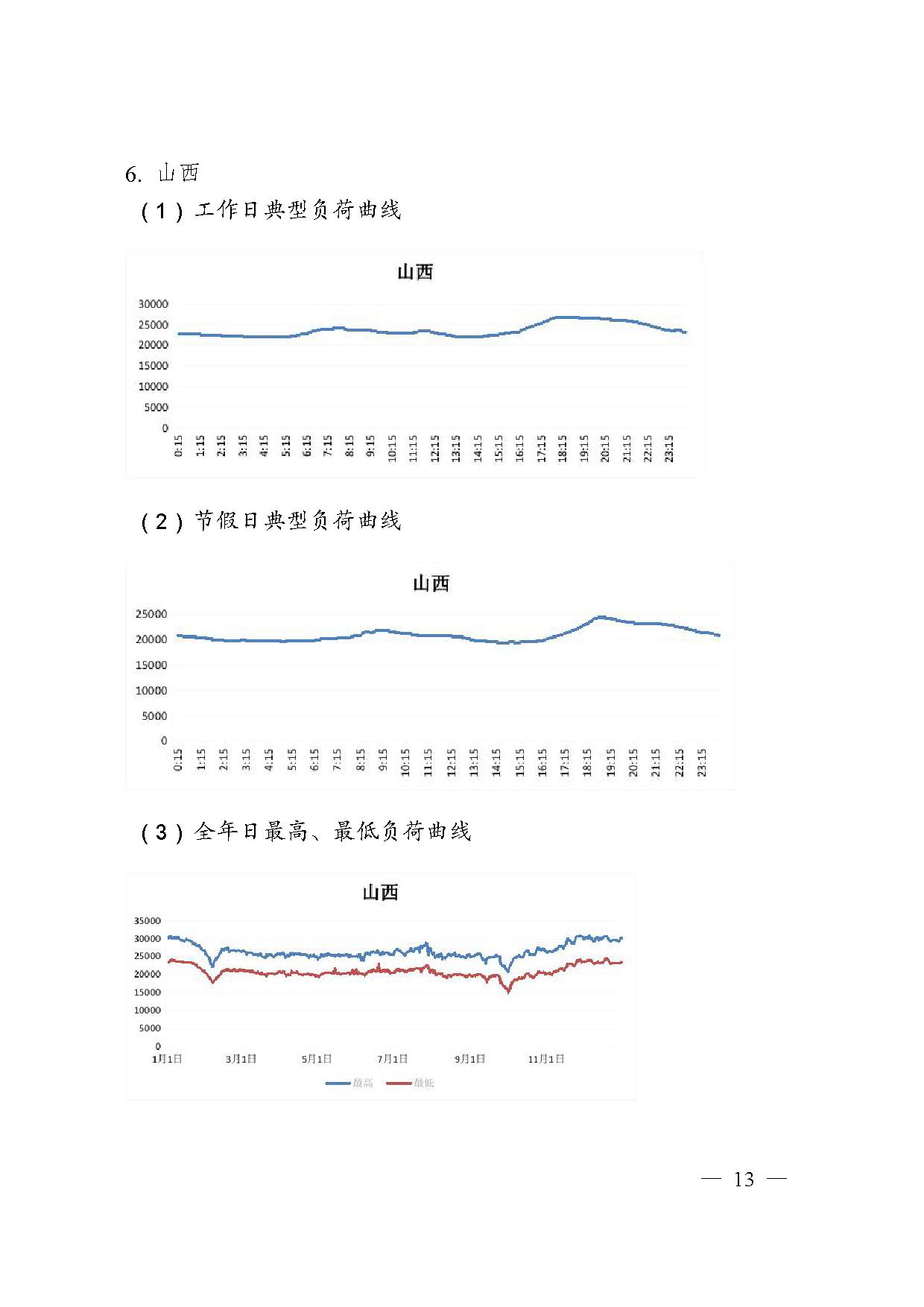
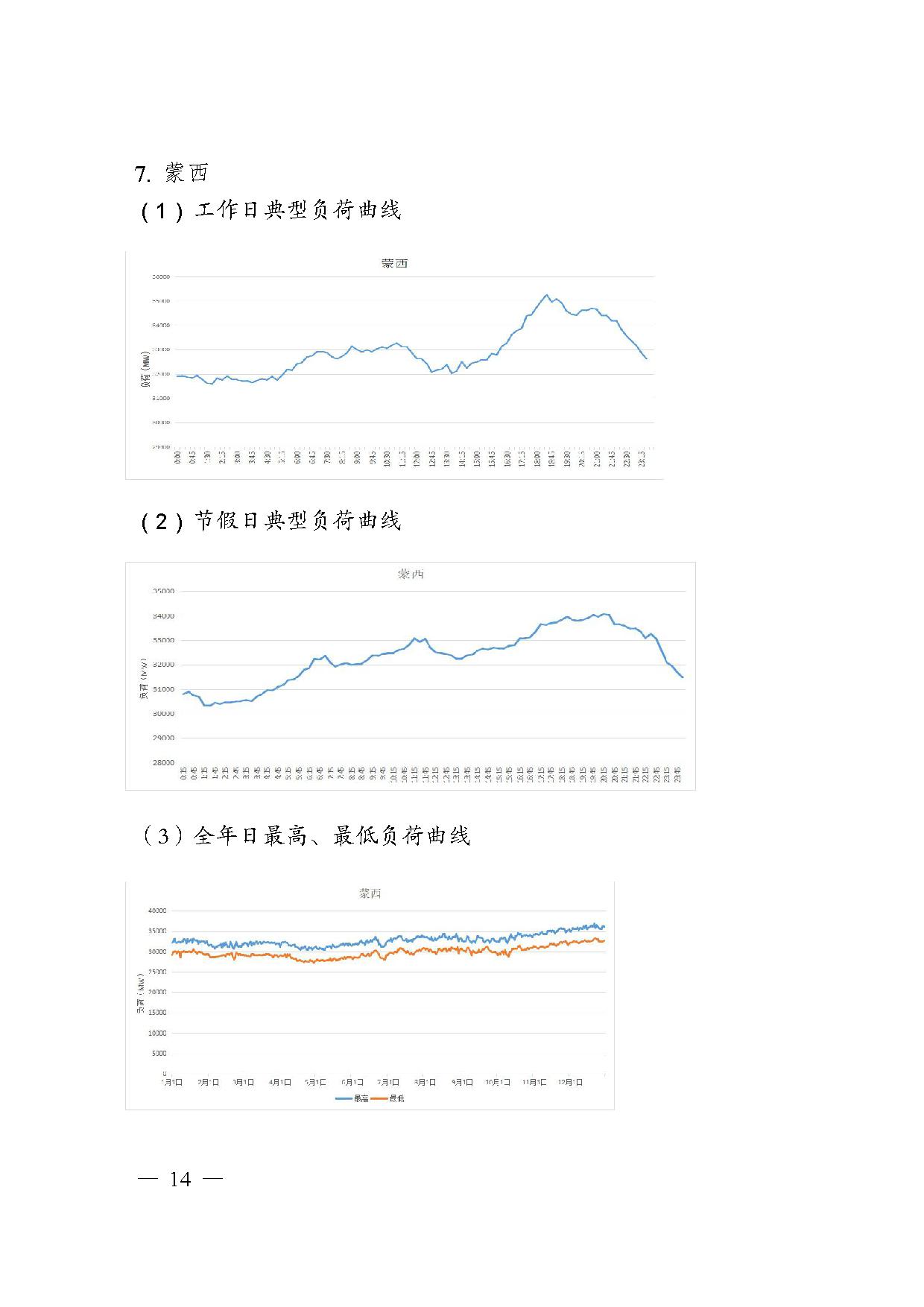
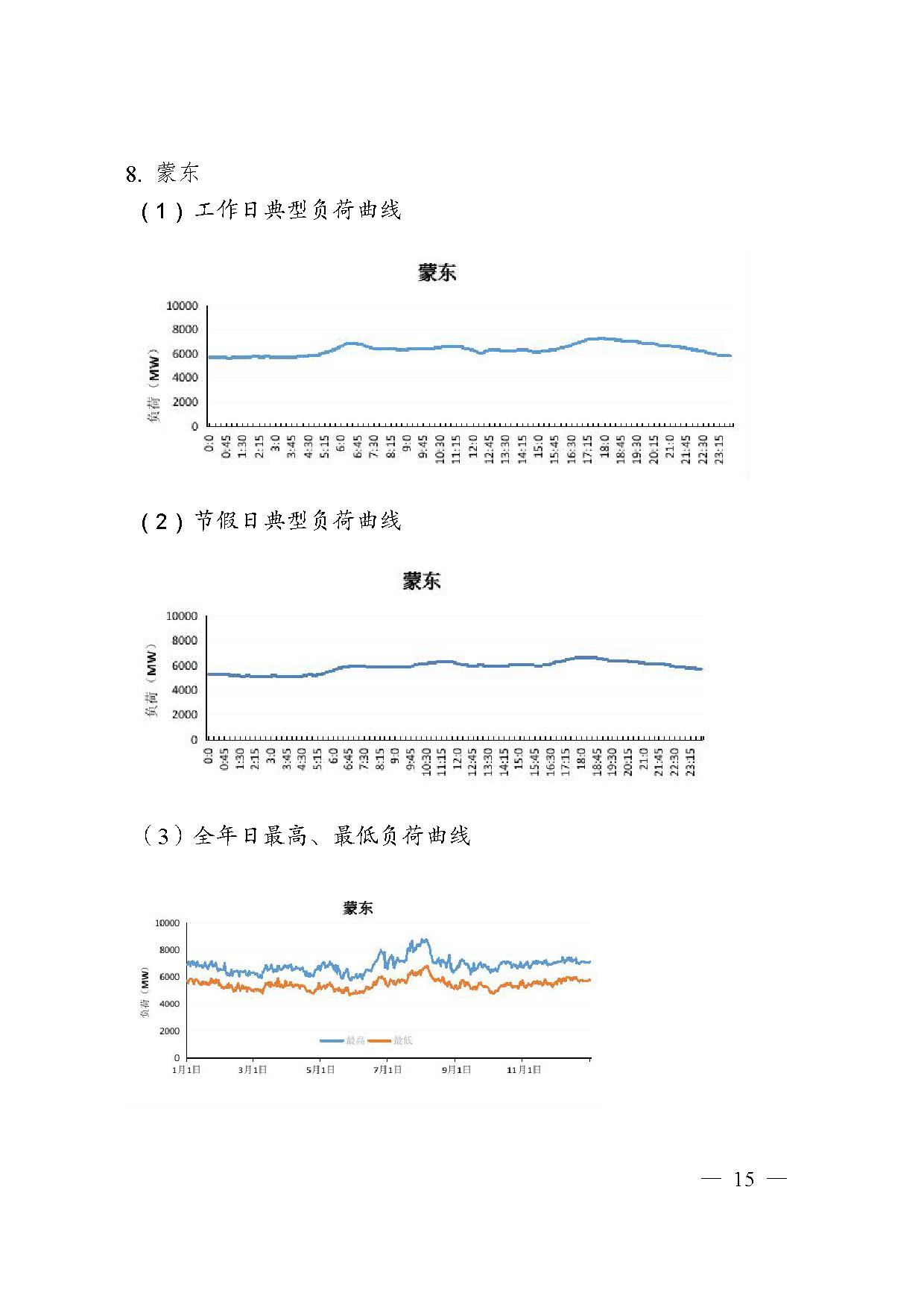
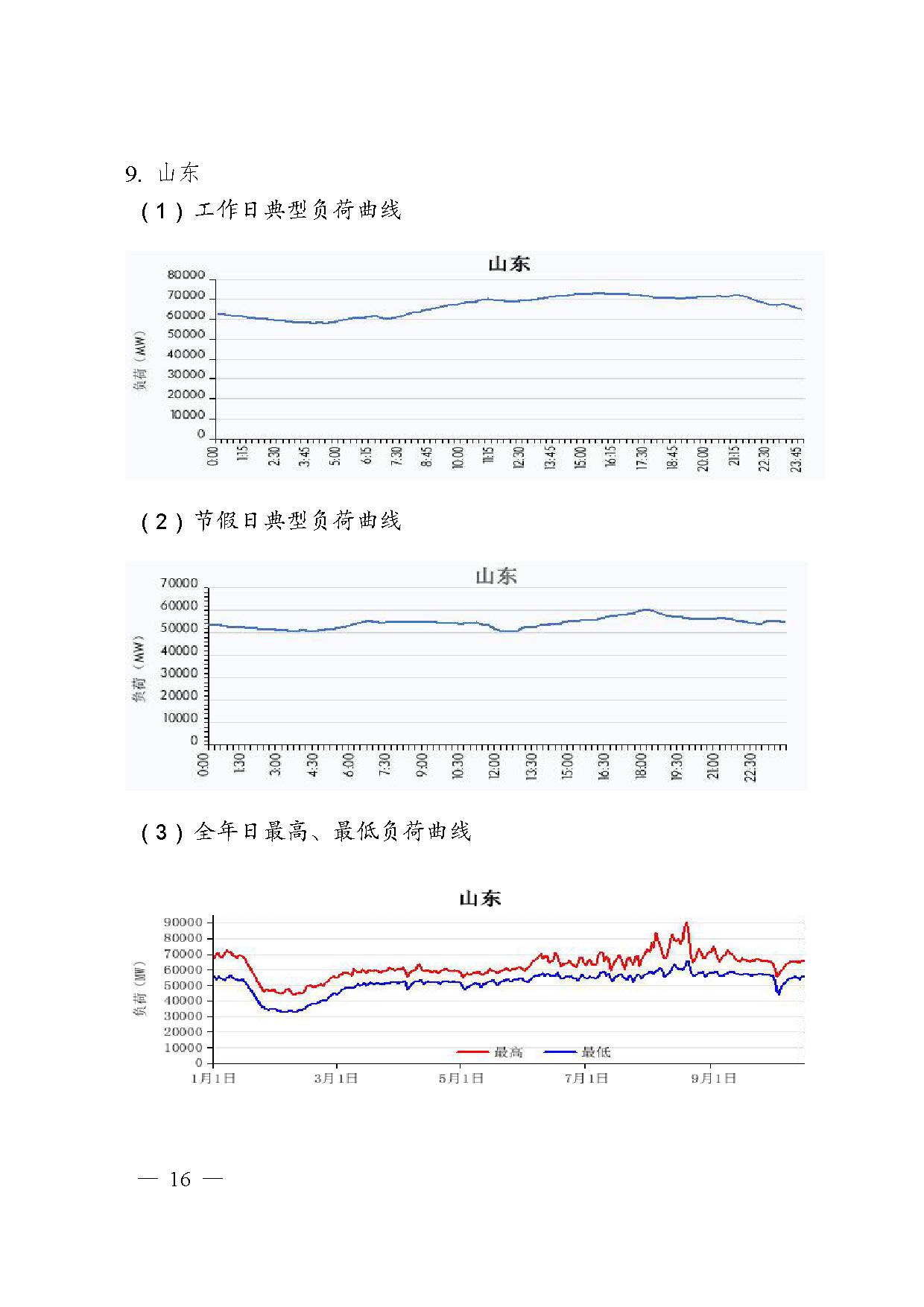
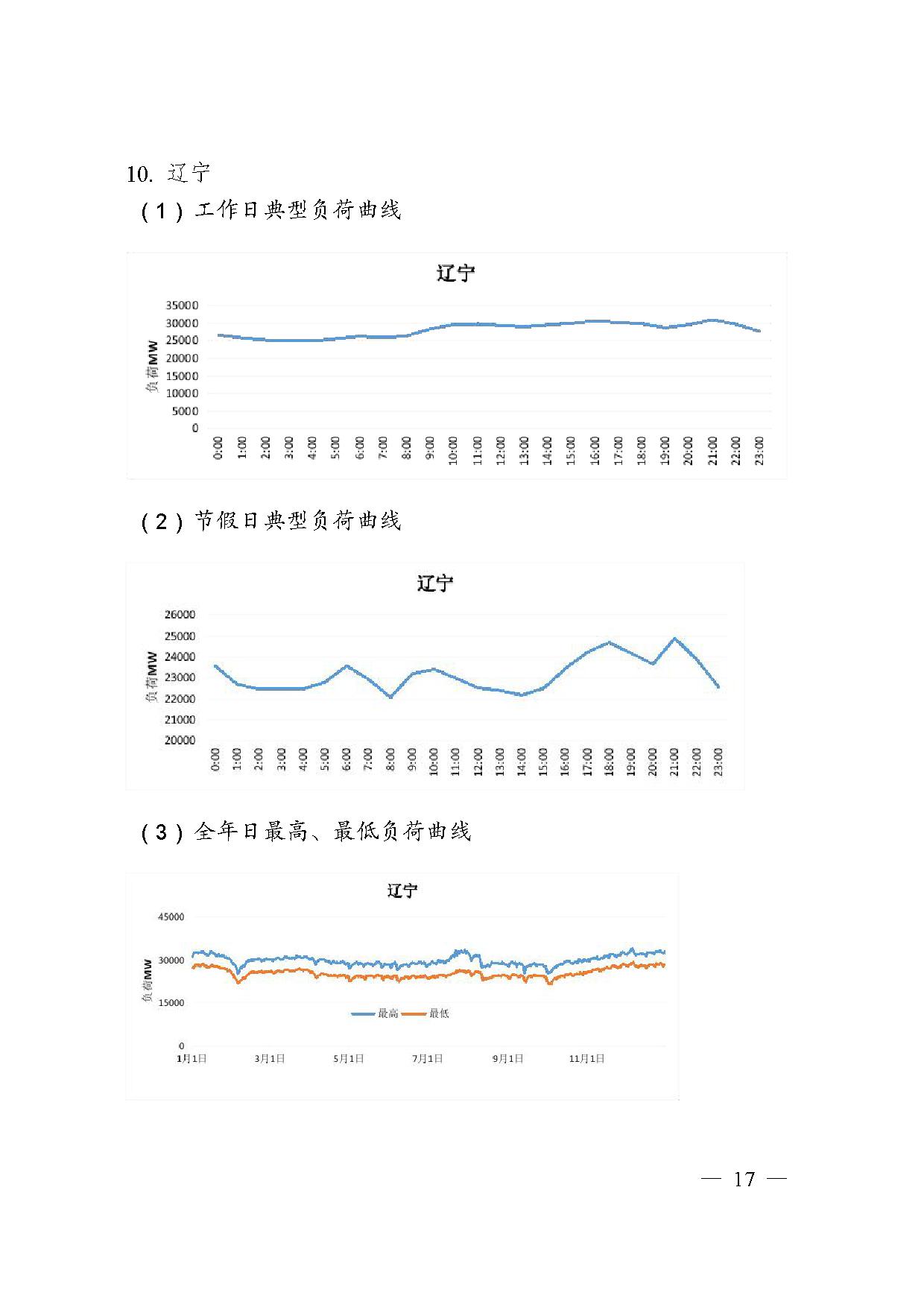
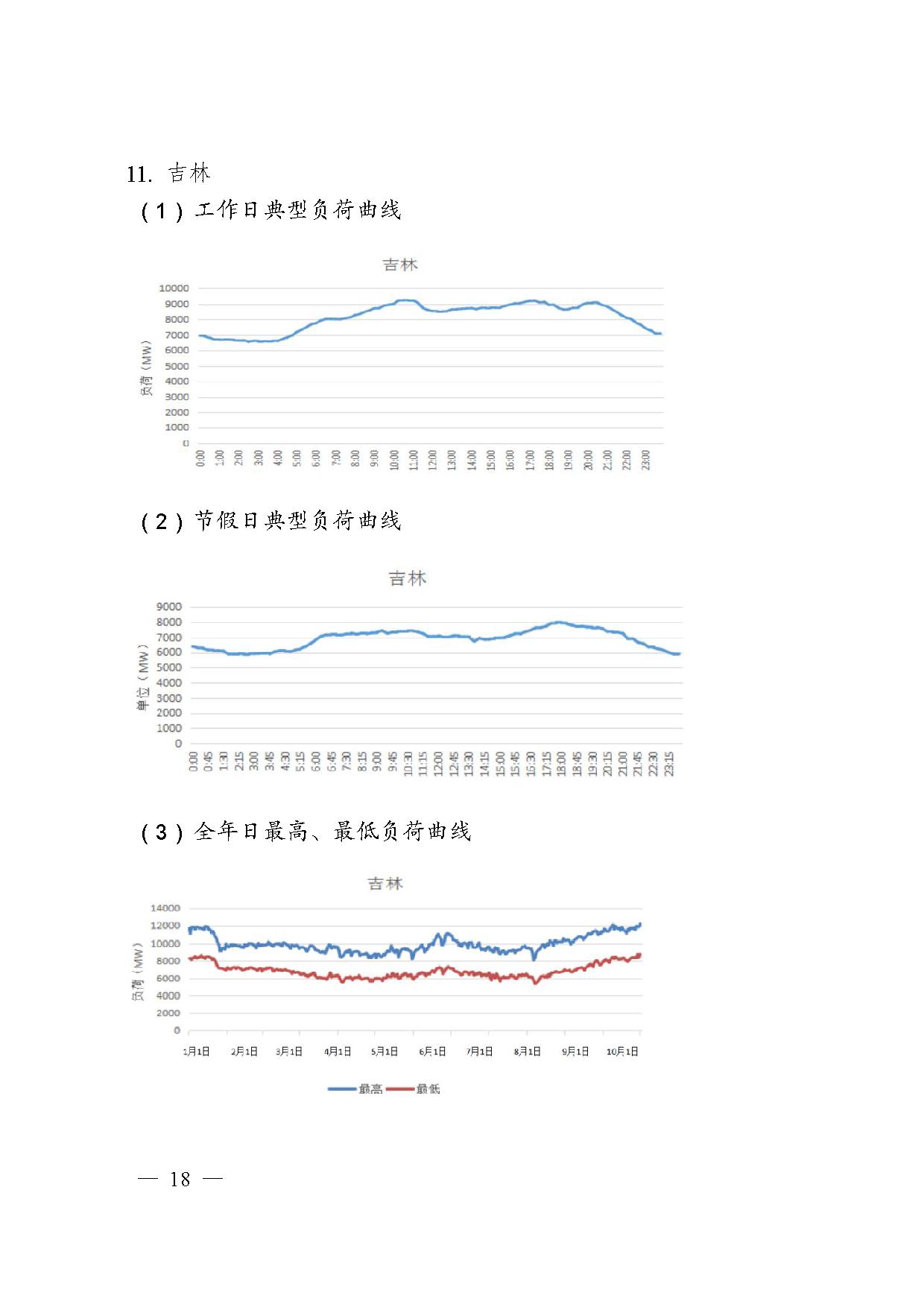
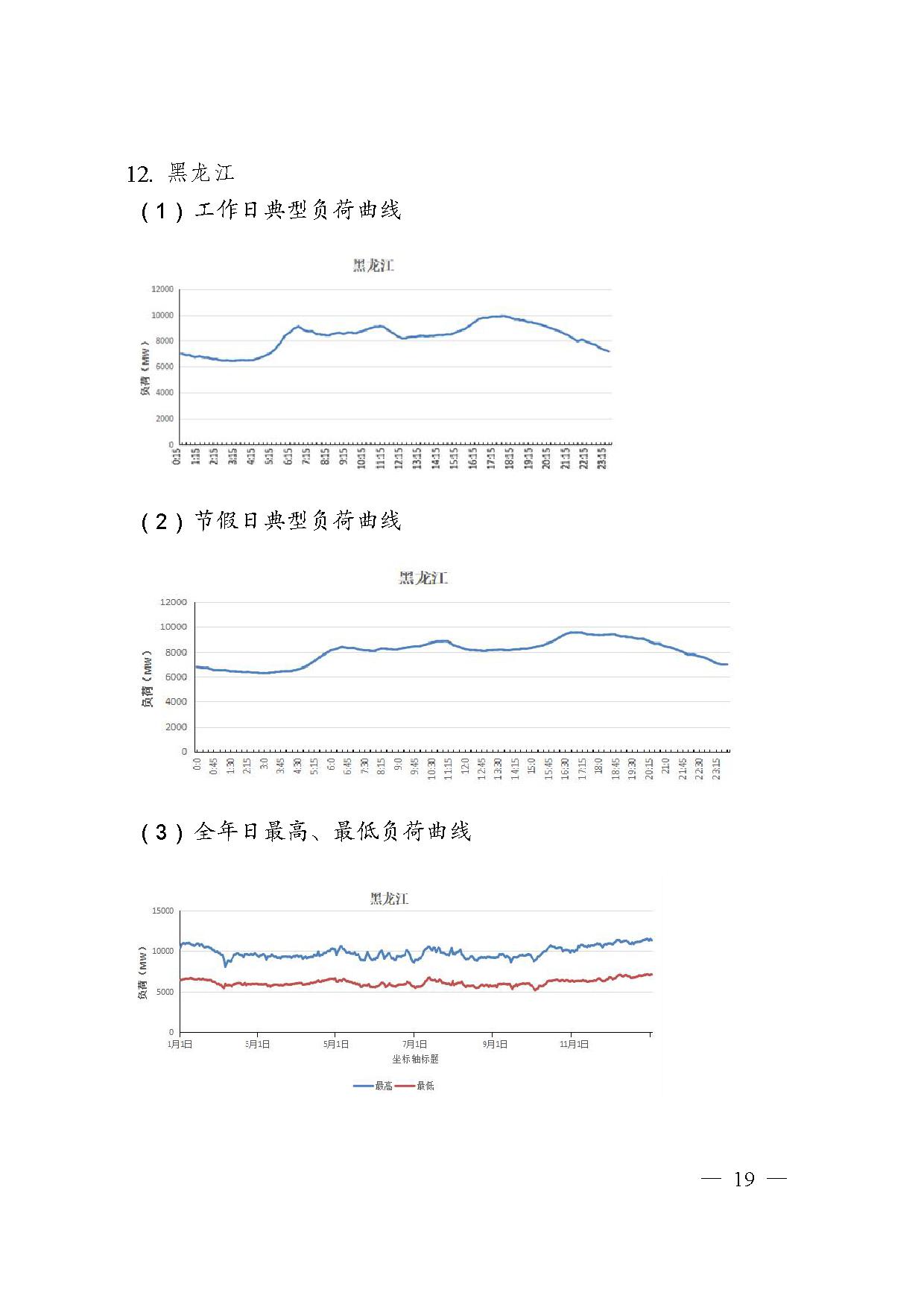
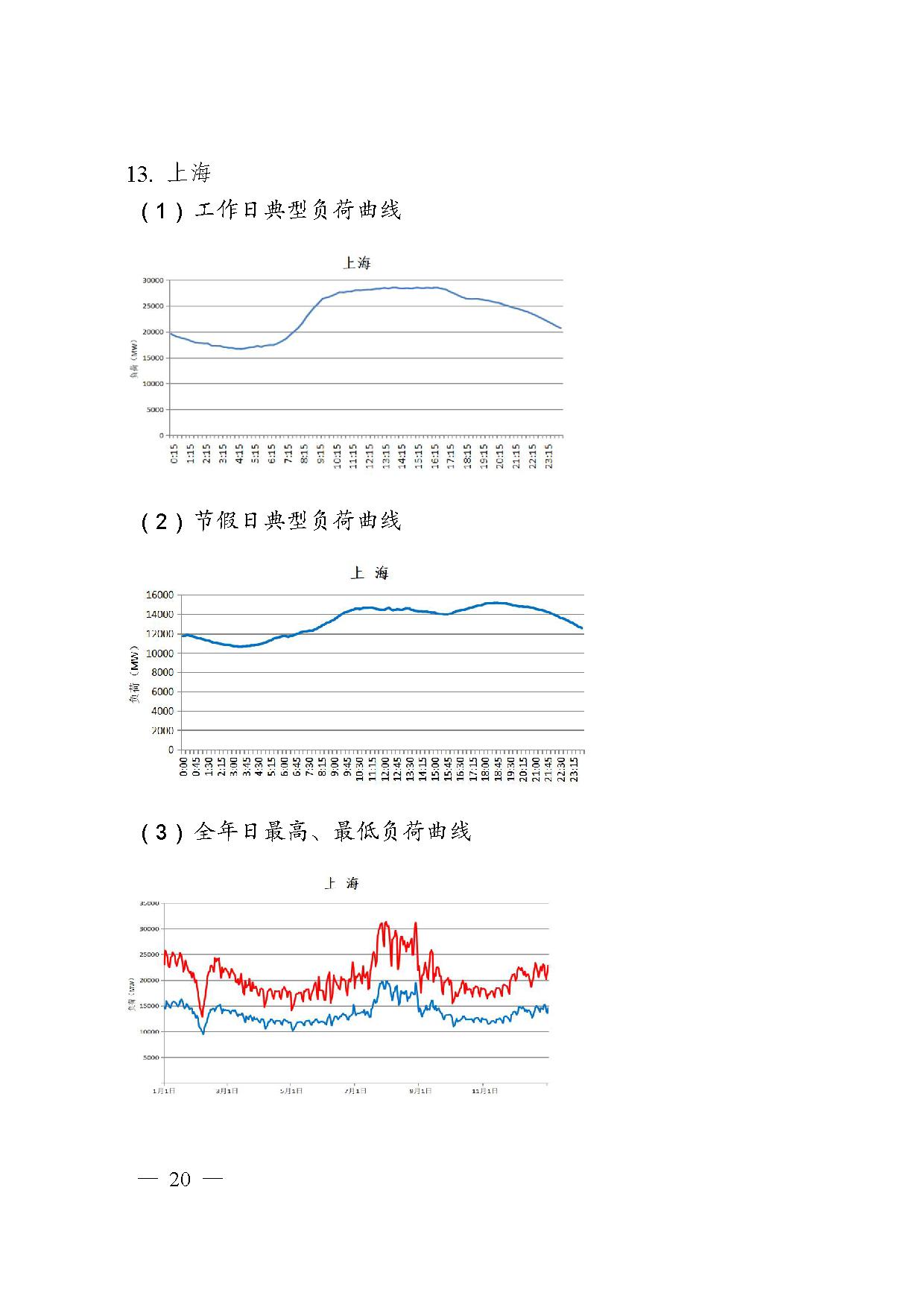
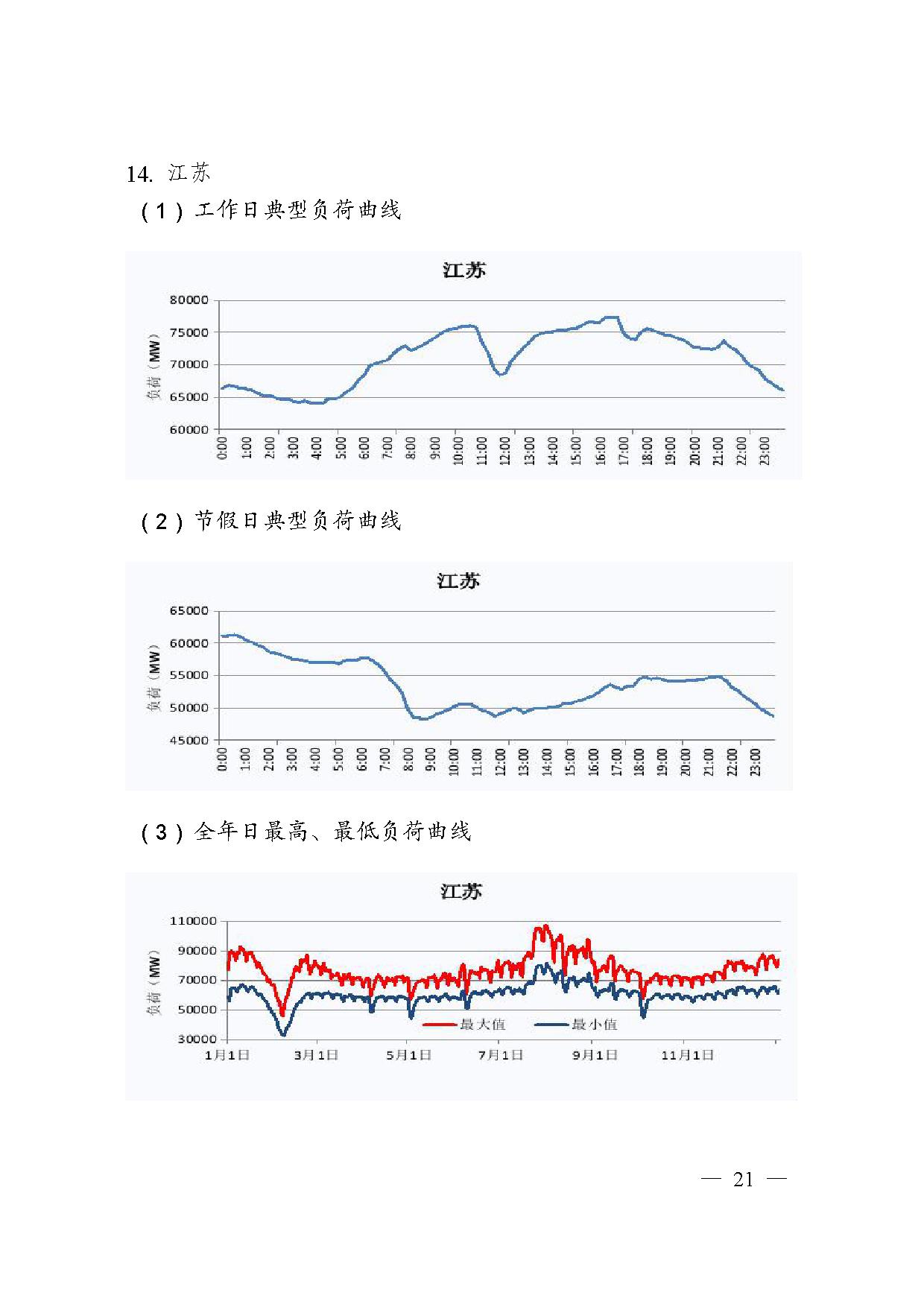
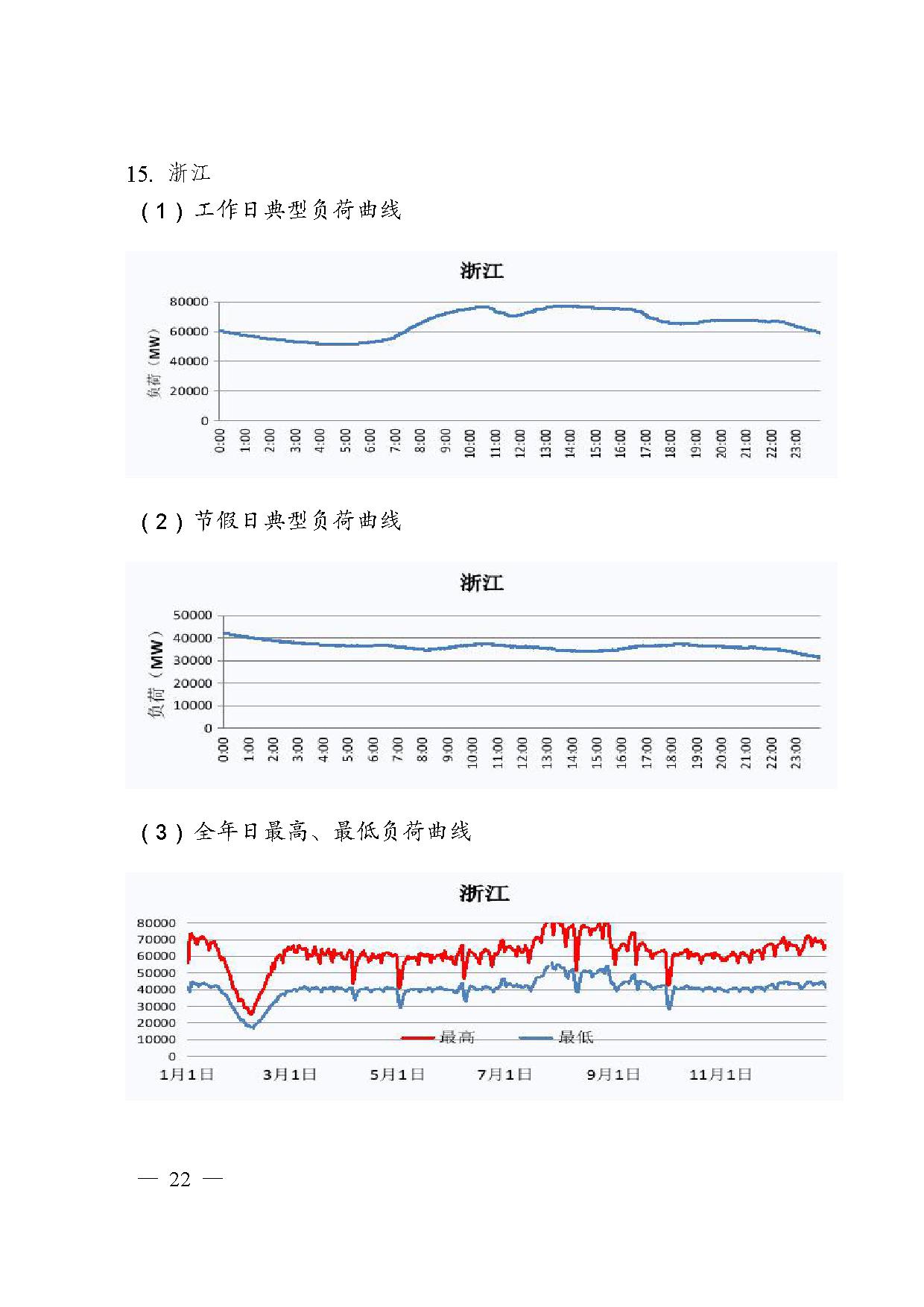
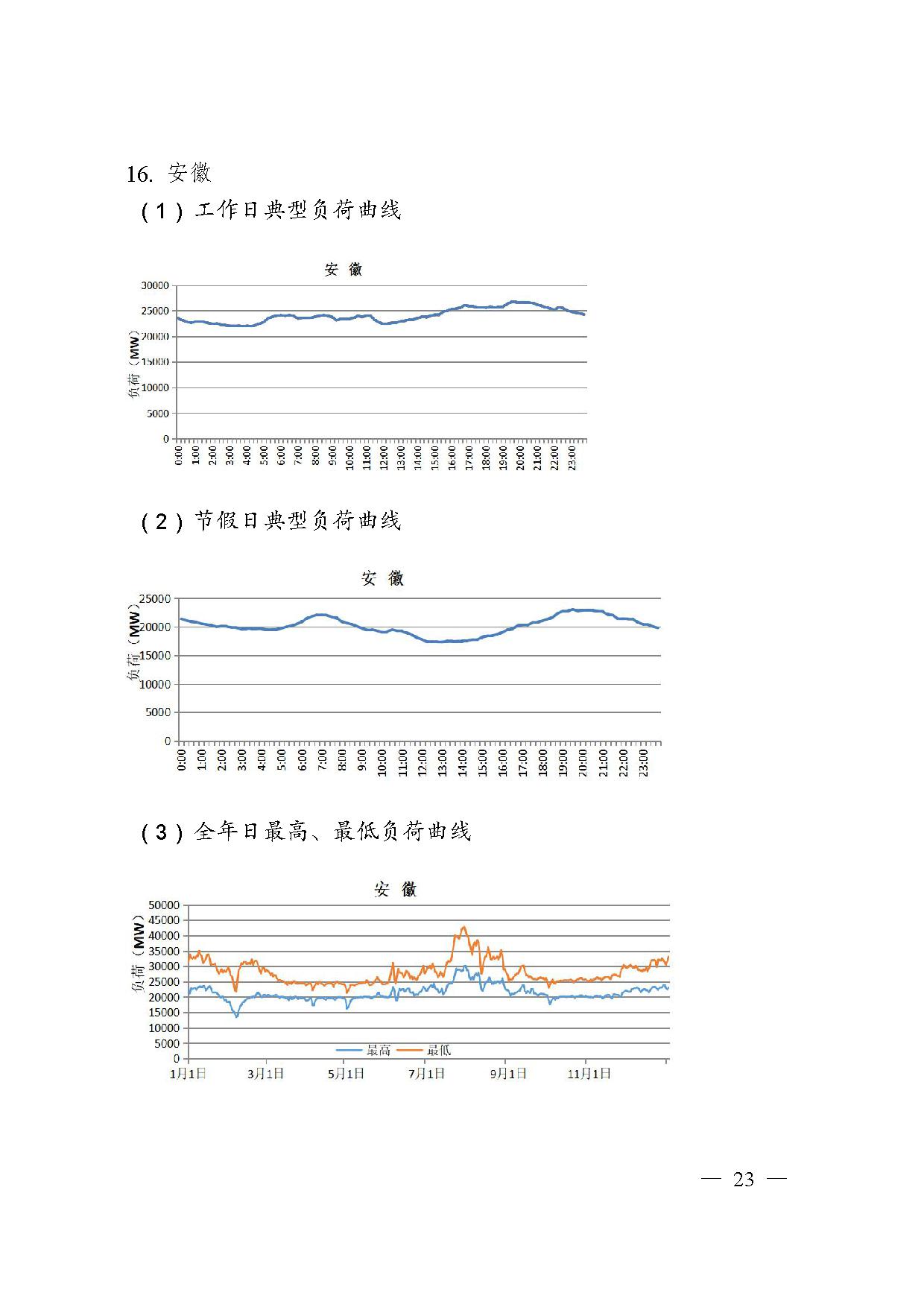
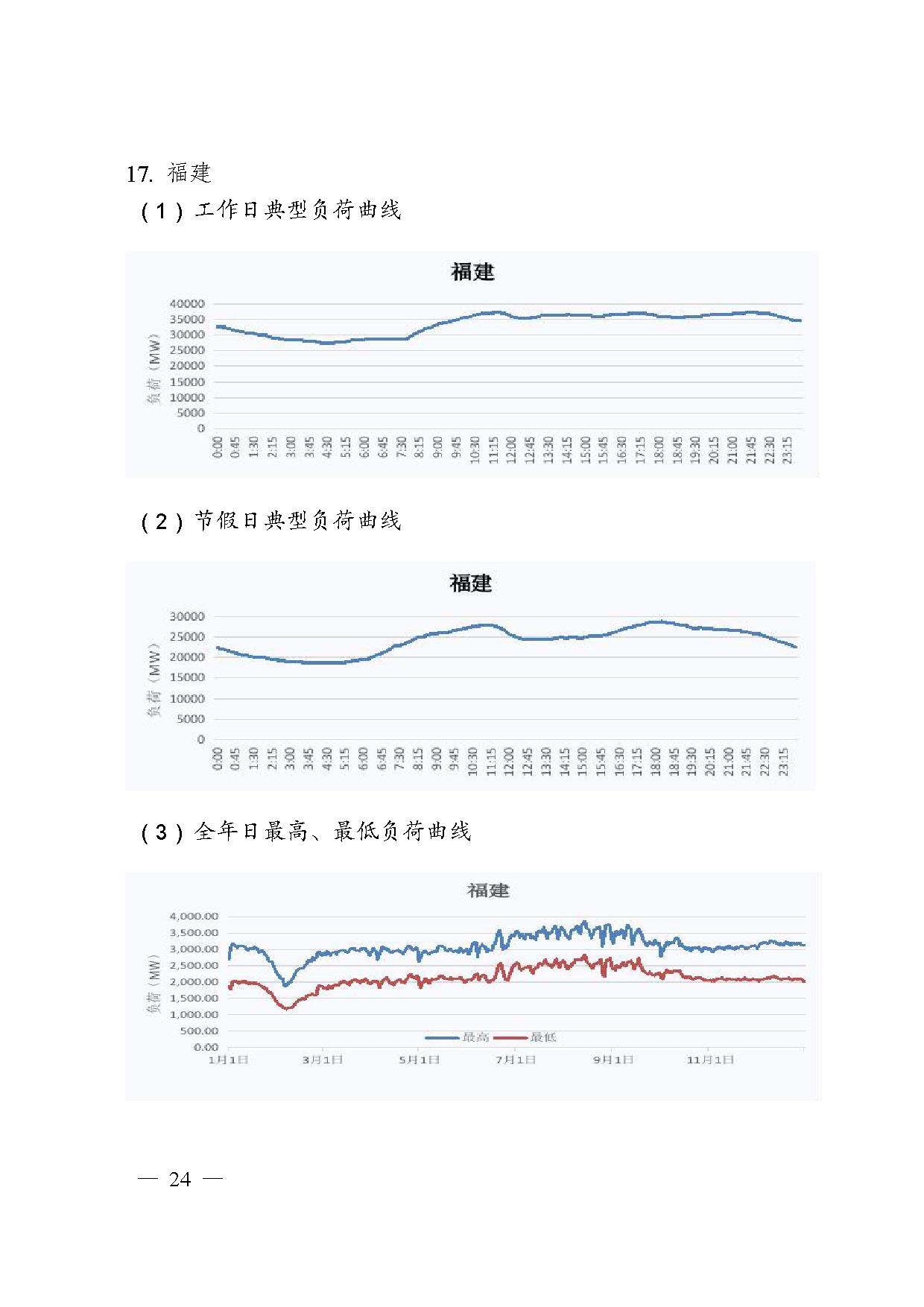
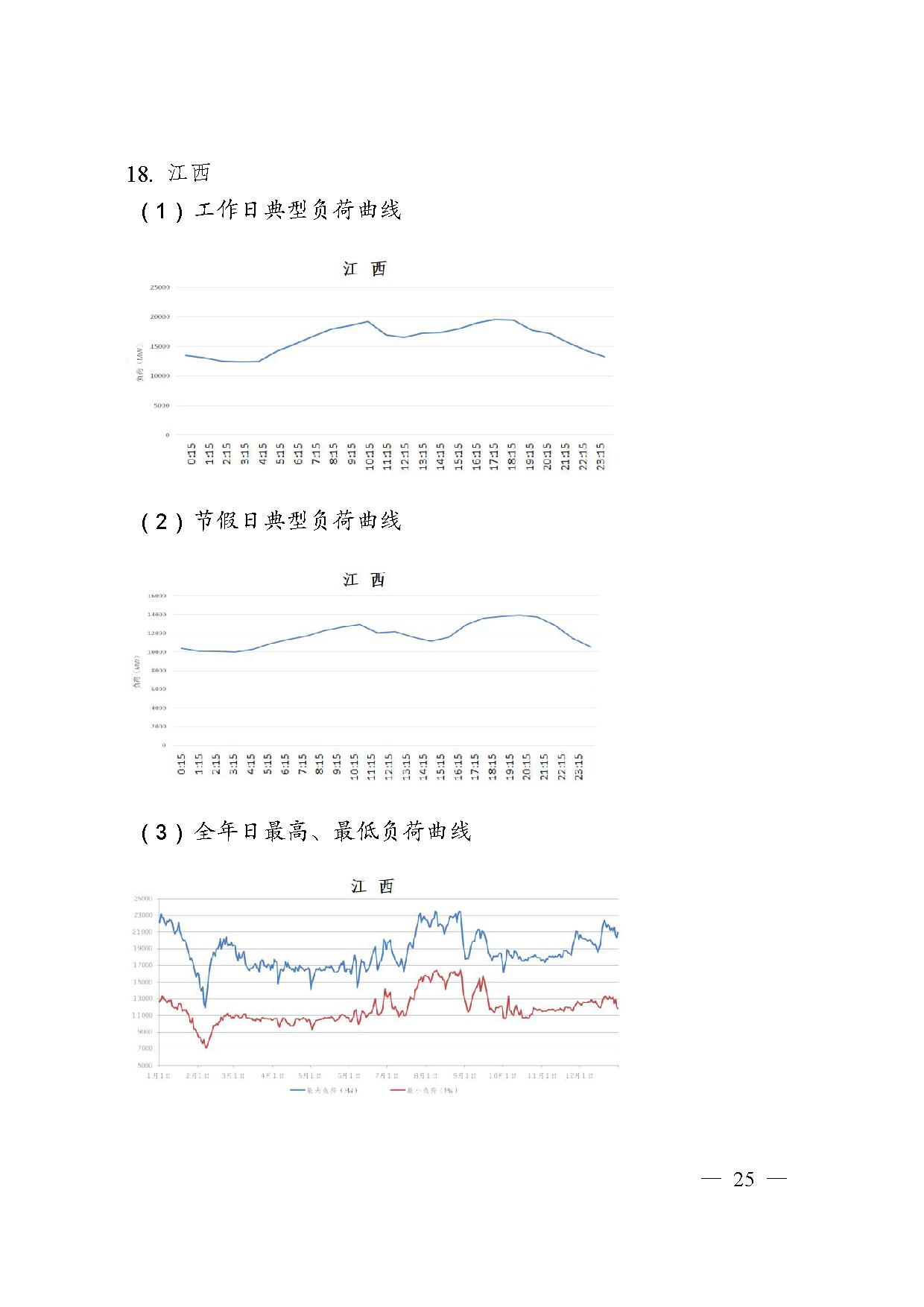
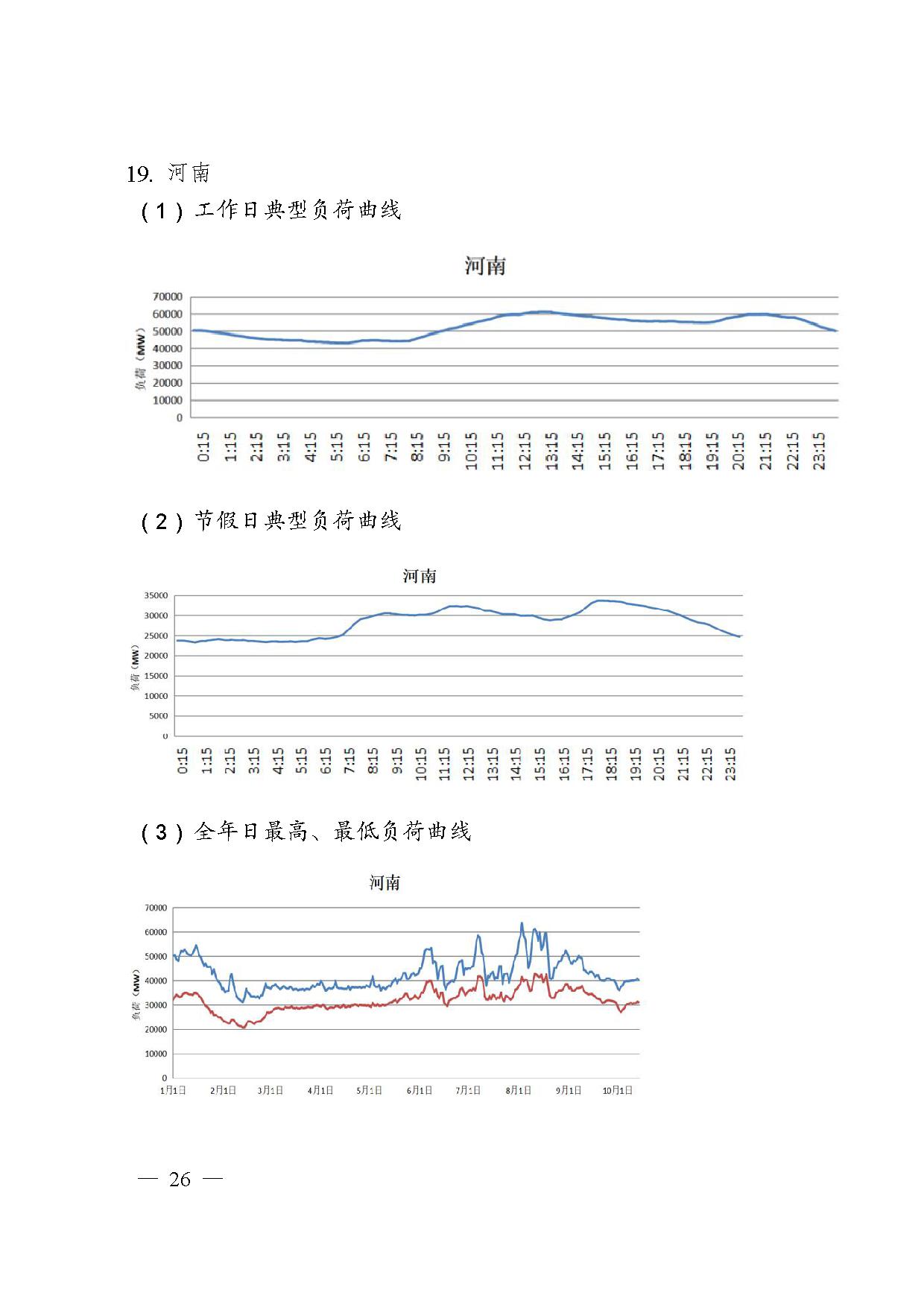
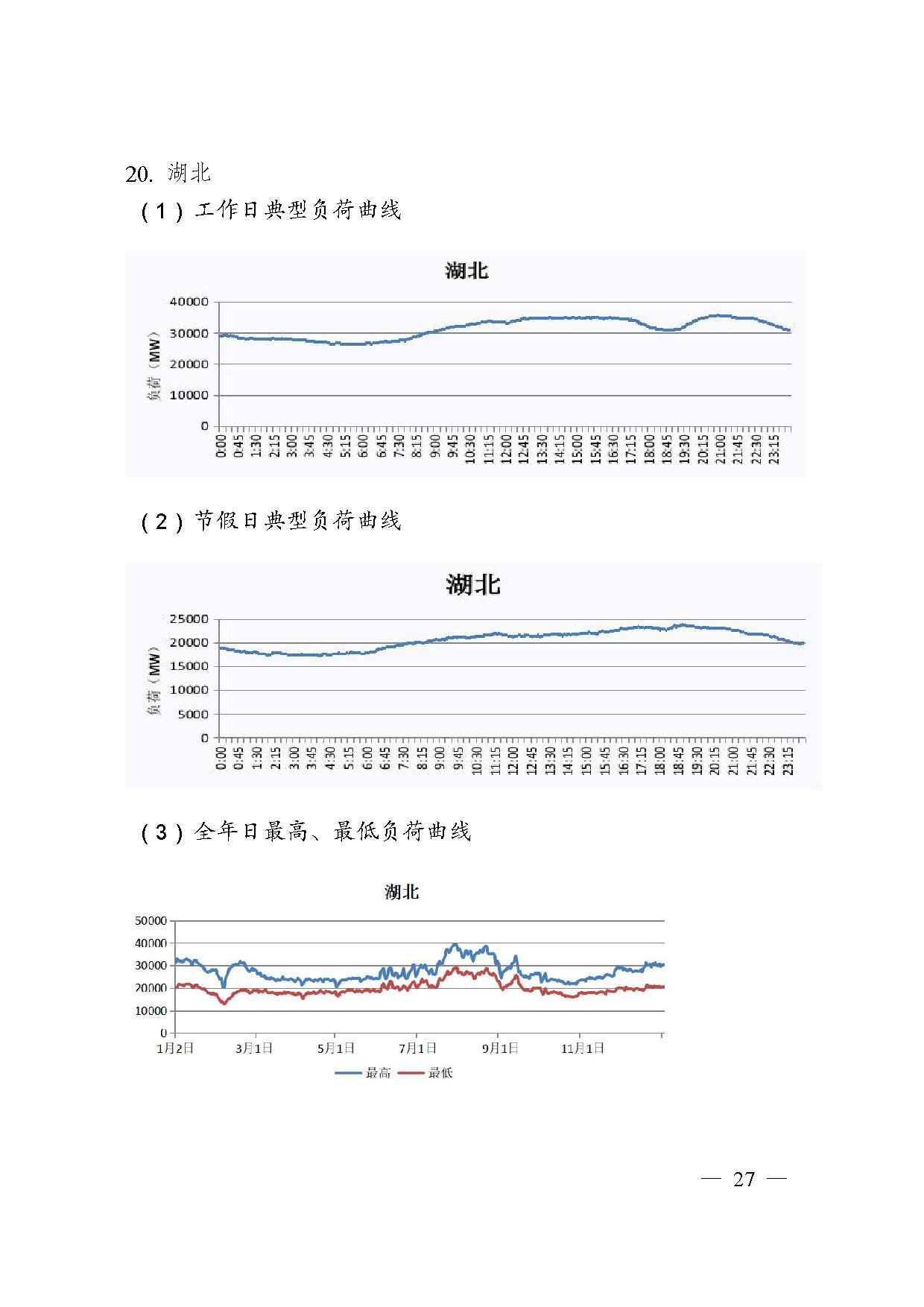
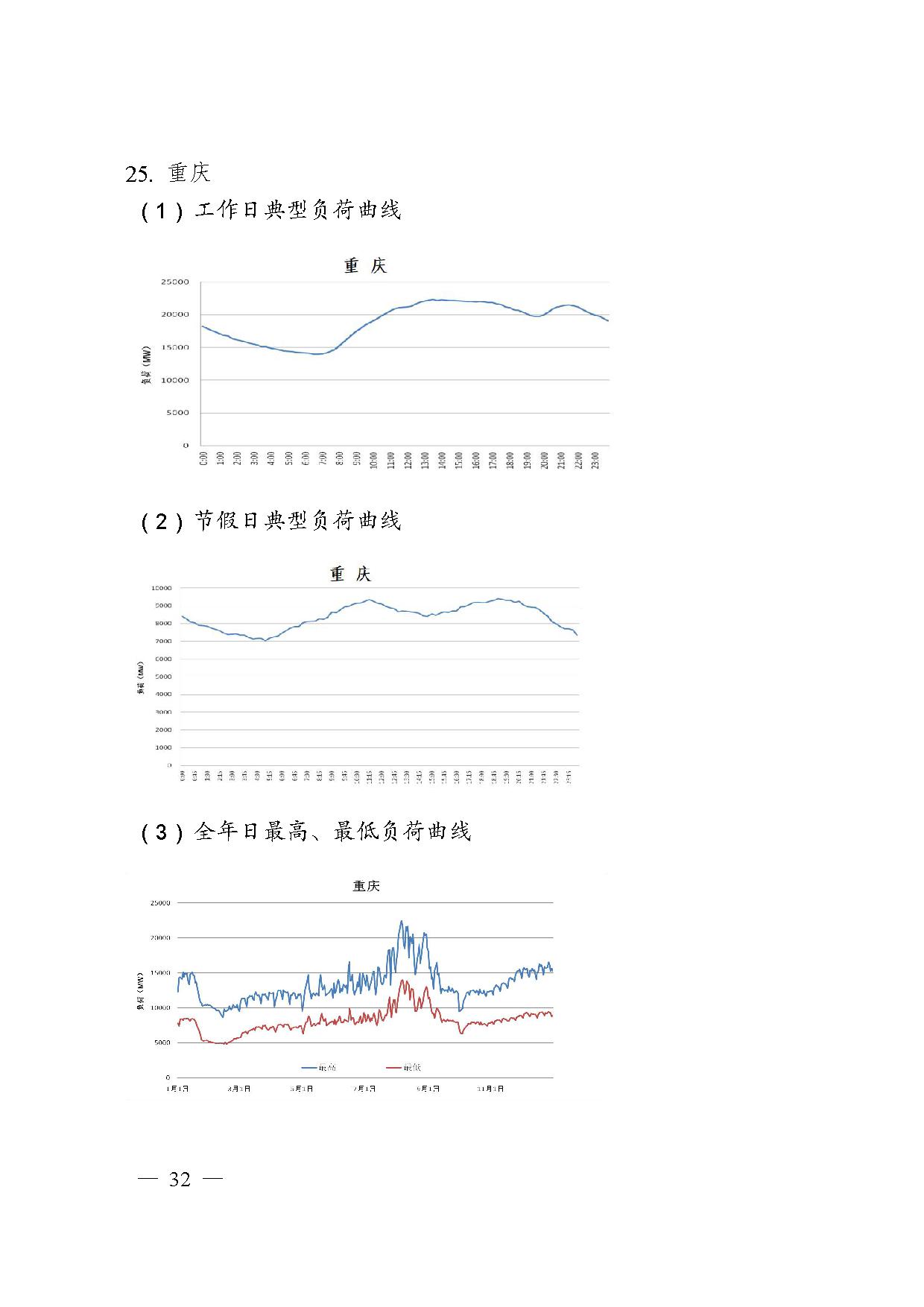
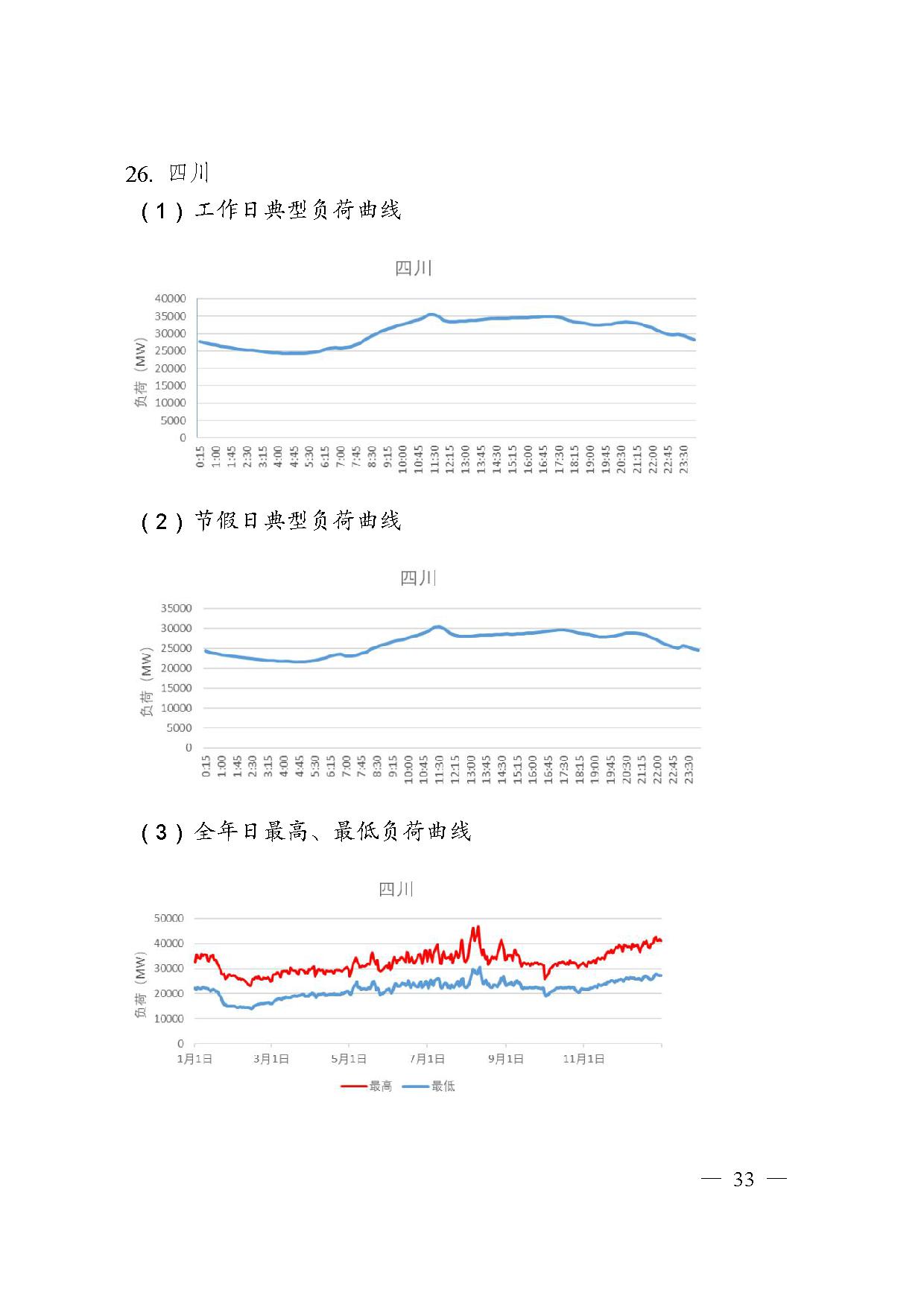
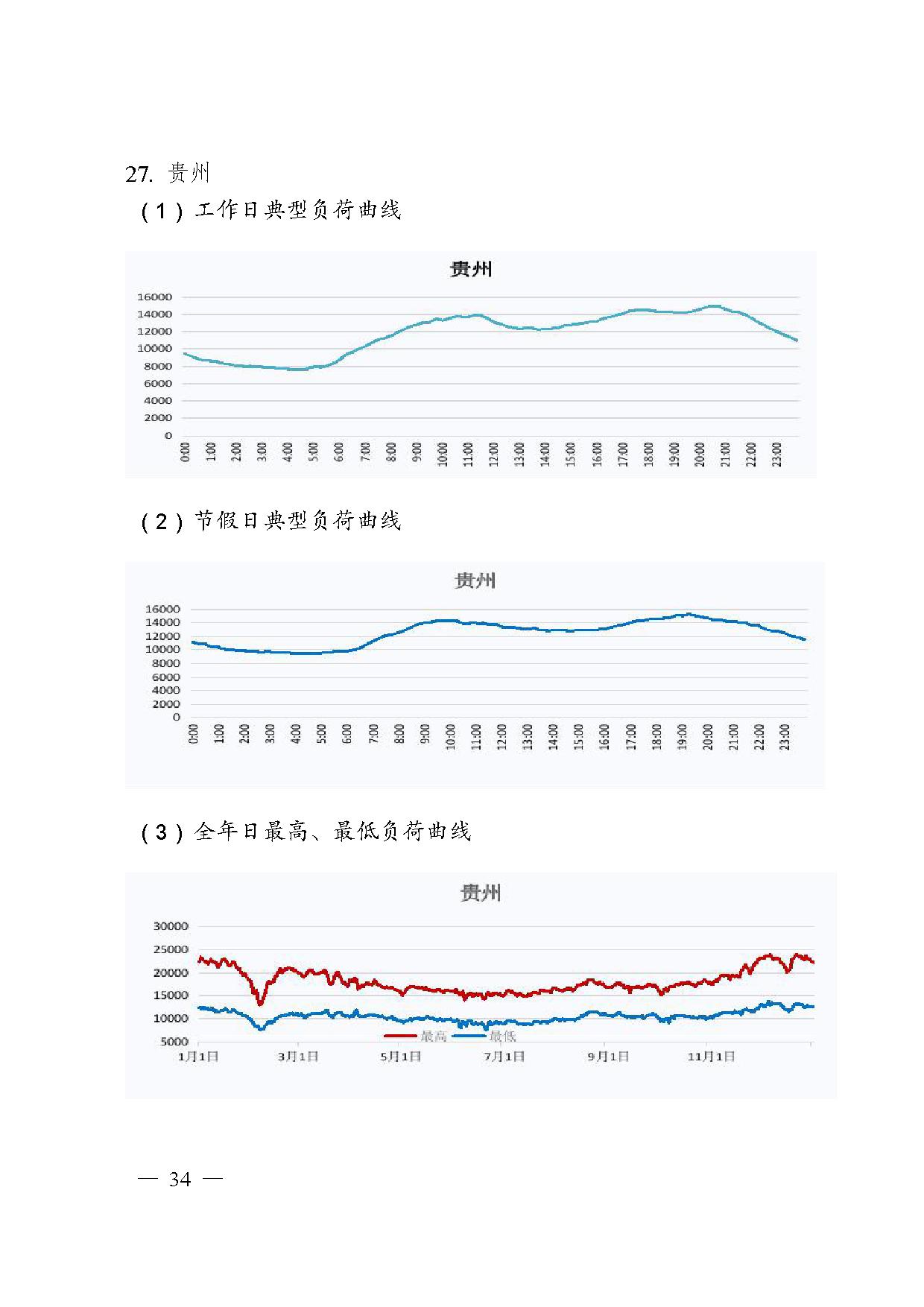
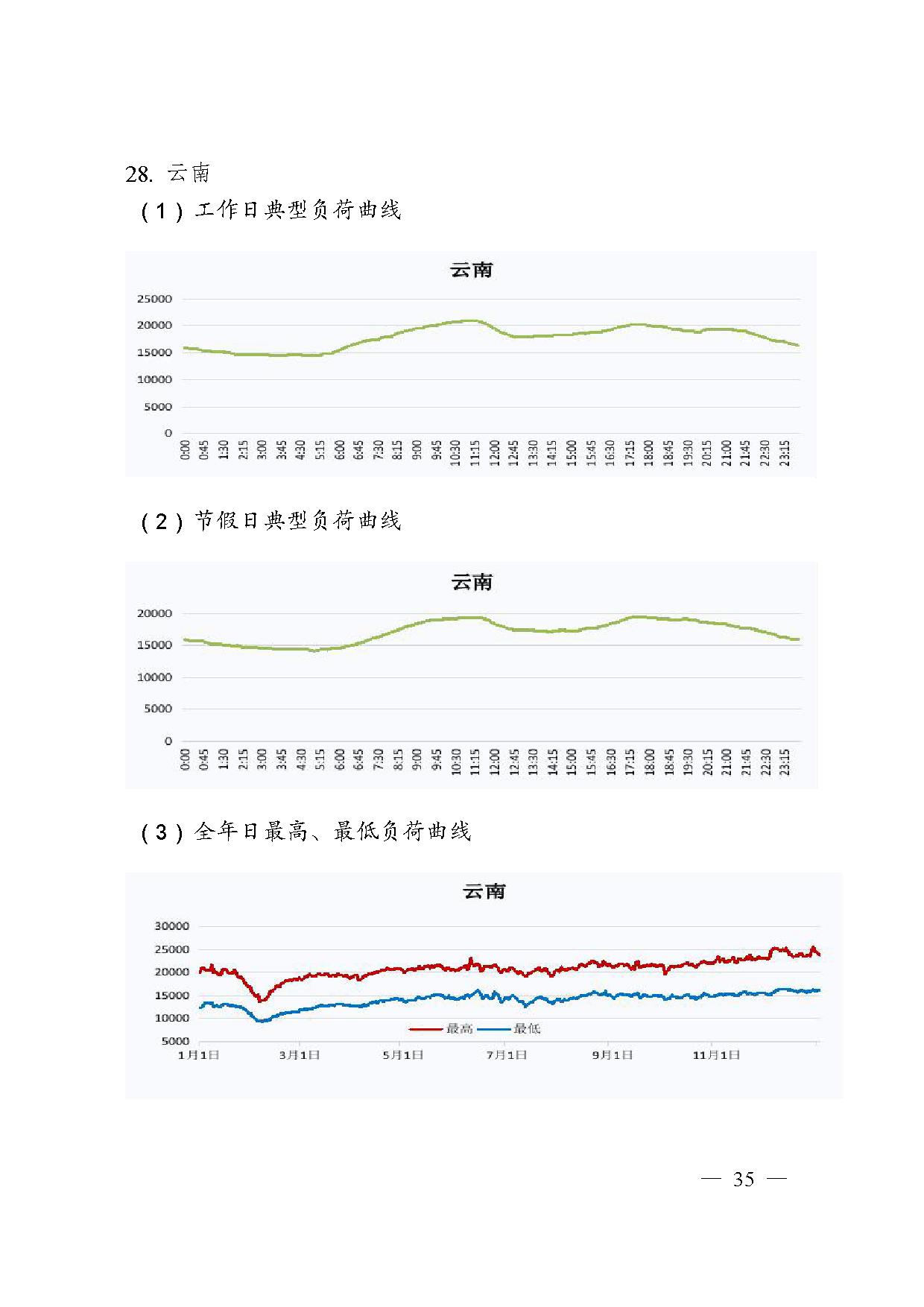
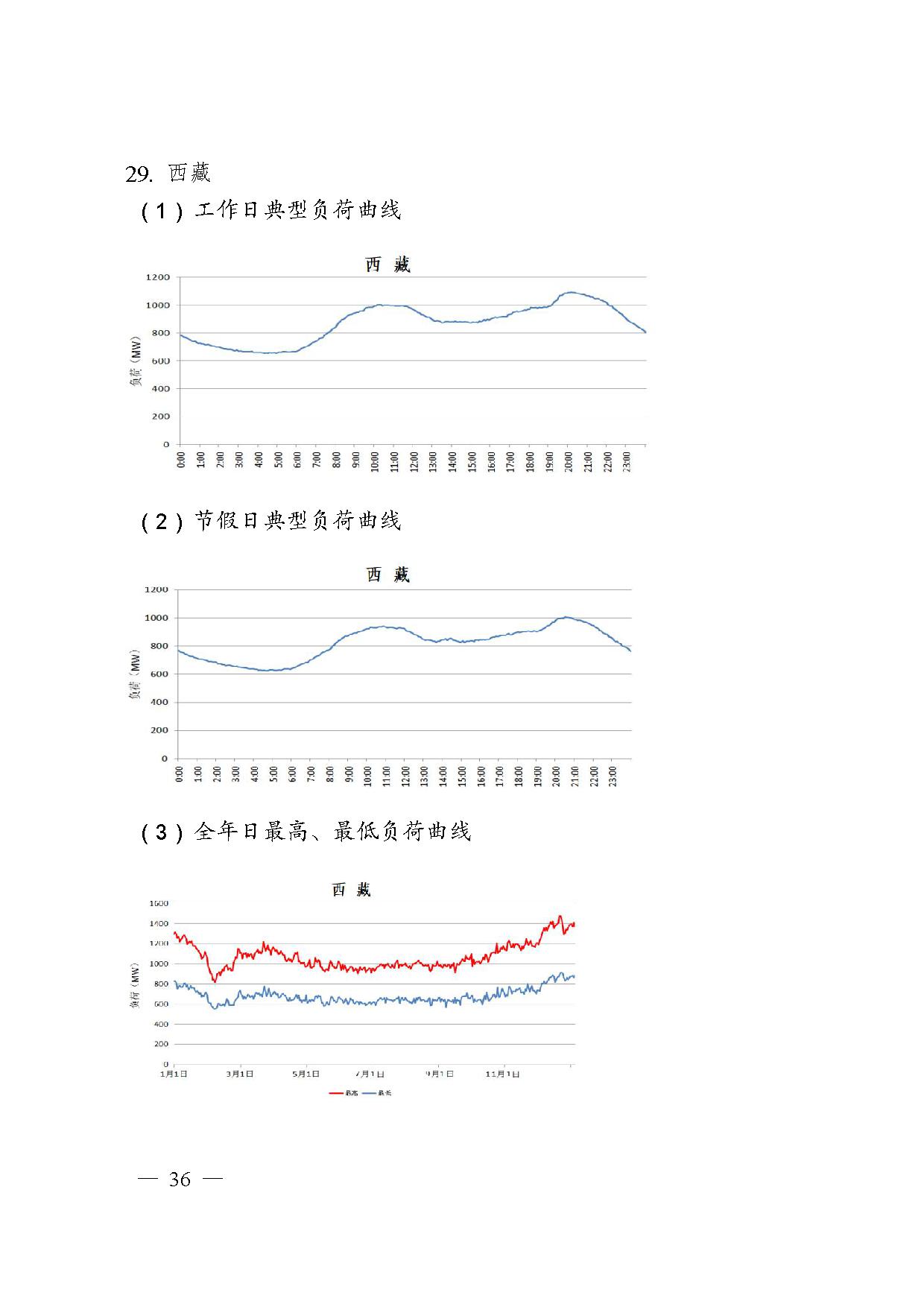
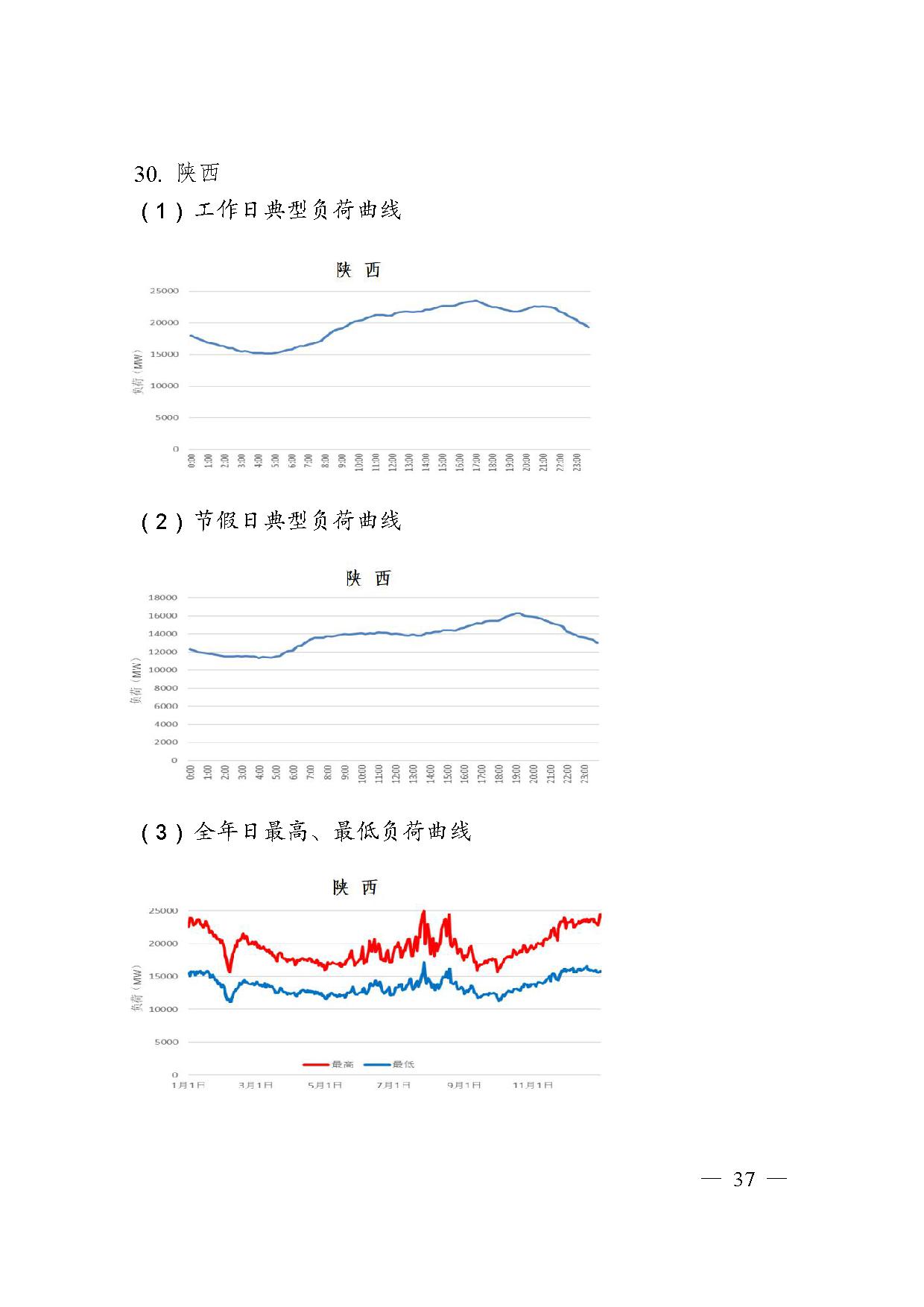
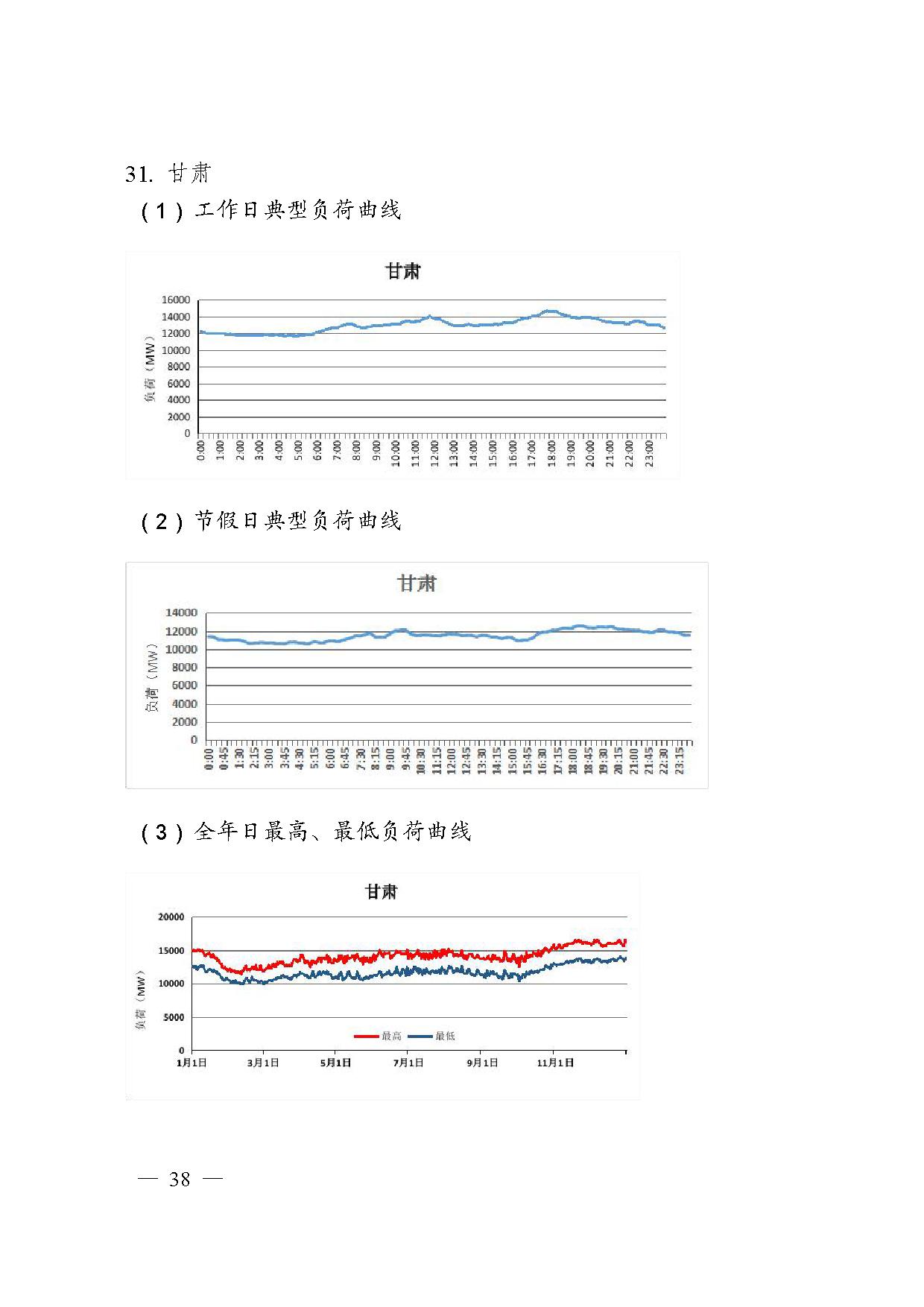
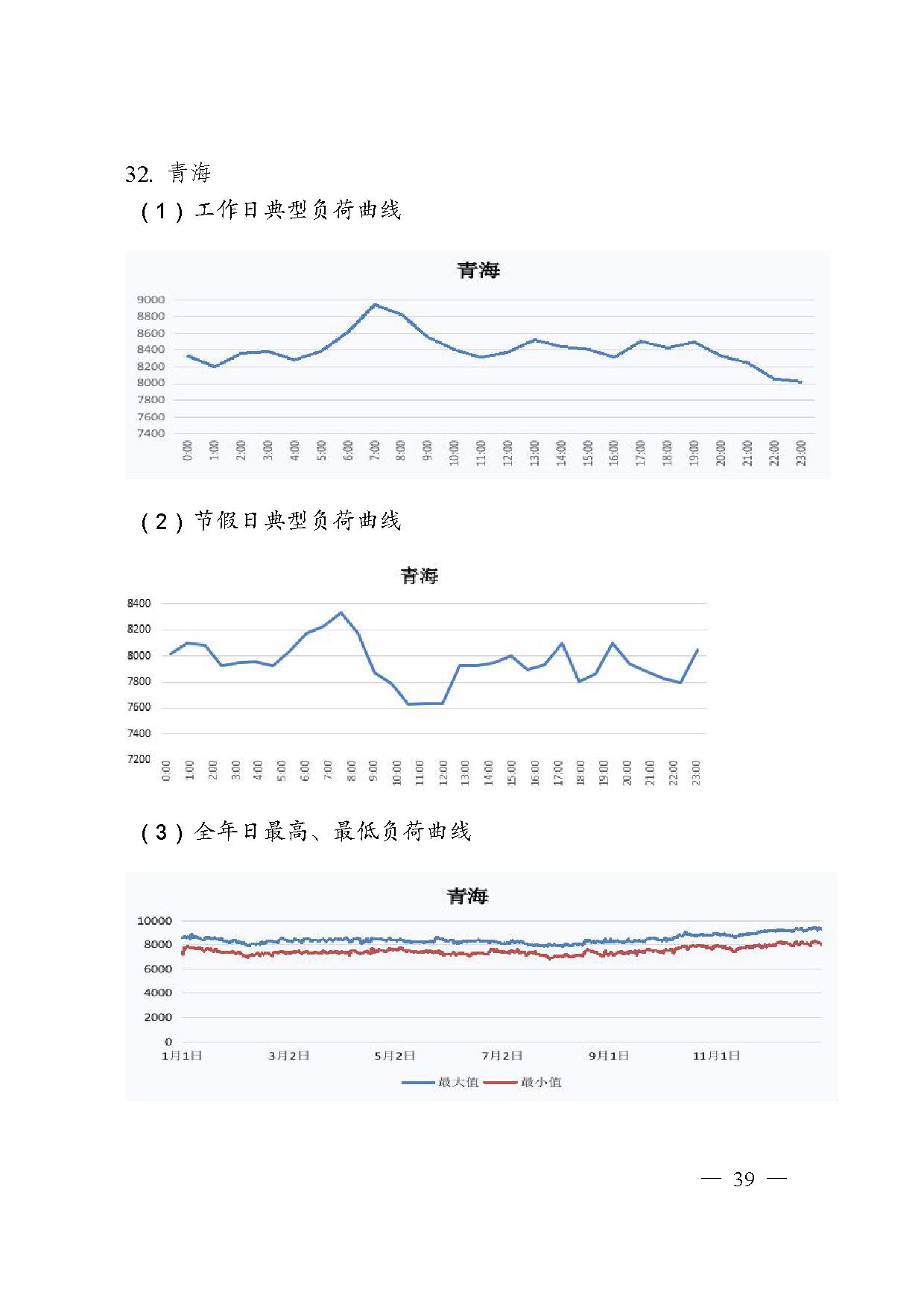
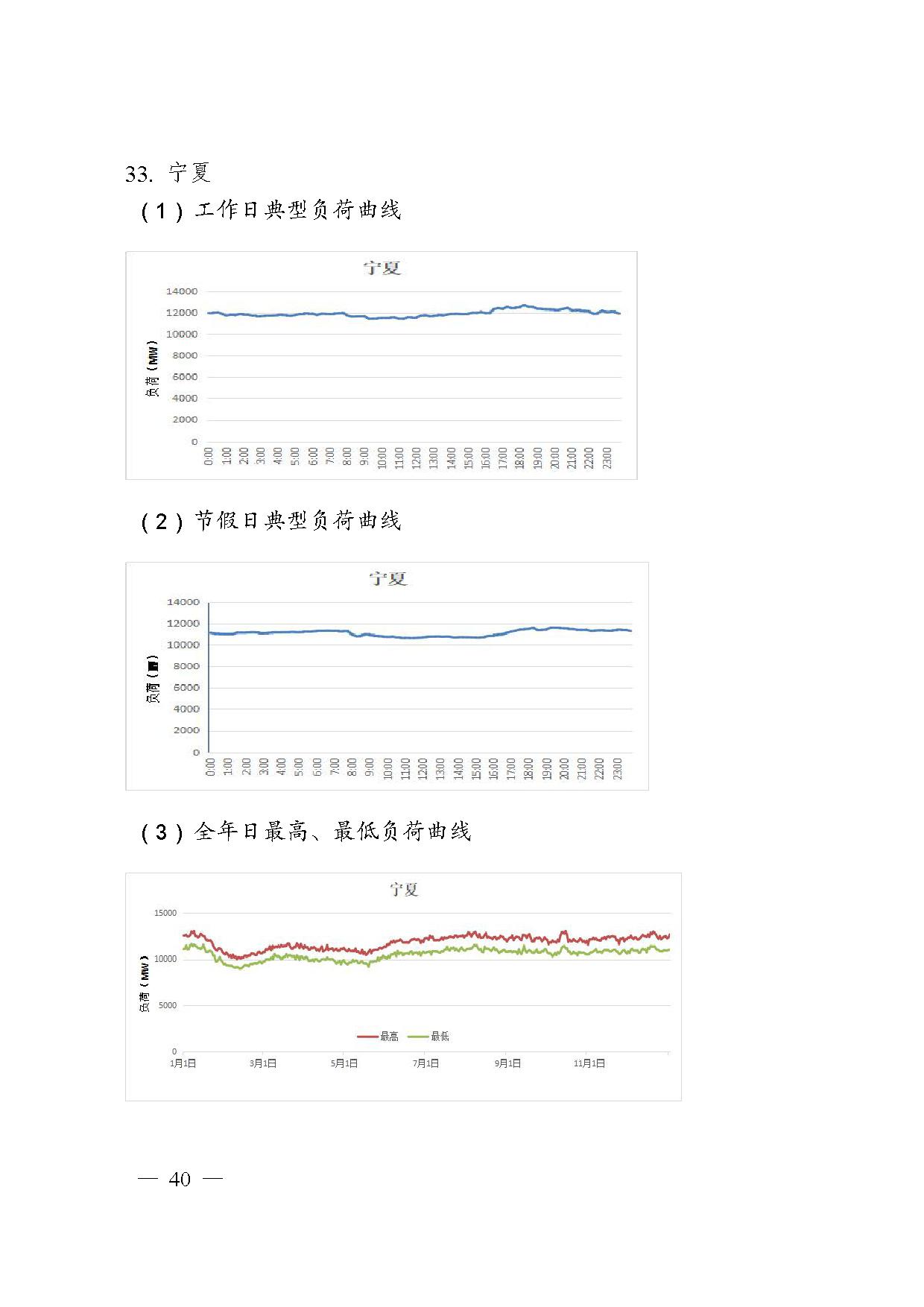
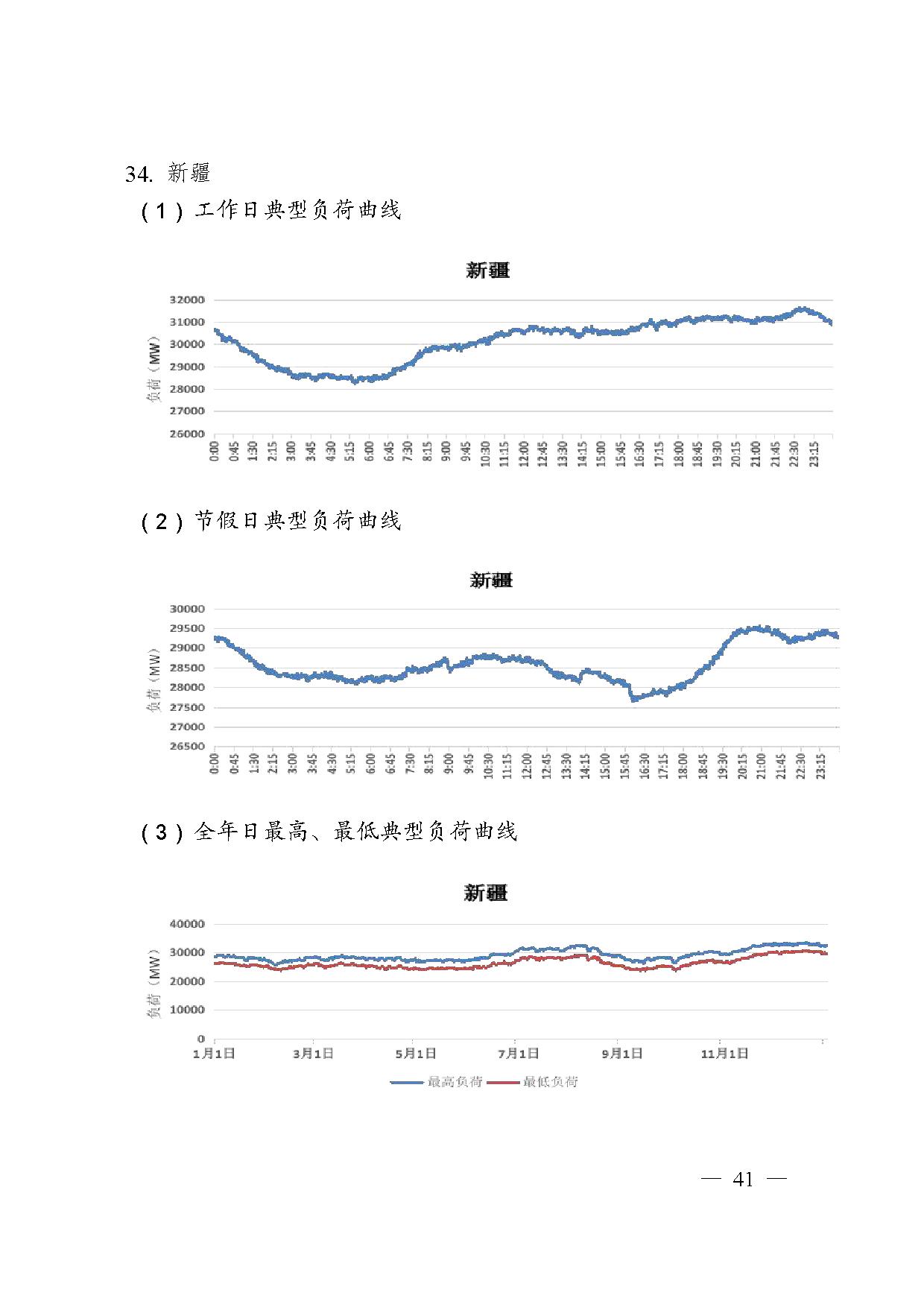
Based on the typical power load curves of working days and holidays in 2020 (see Appendix), competent government authorities together with grid enterprises in all regions shall actively provide power load curves for more industries or regions within the province, accelerate the establishment of an inquiry mechanism for historical power consumption information of power users for reference by market participants during contract signing. Power users are encouraged to provide their own power load curves to sign medium- and long-term power contracts. Power retailers, comprehensive energy service providers and other institutions are encouraged to provide more granular and precise power load curves to help market participants better participate in market transactions.
(3) Grant small and medium users the right to choose whether to sign time-of-use contracts
Power users and power retailers with annual electricity purchase volume of over 5 million kWh and meeting relevant conditions are encouraged to sign time-of-use medium- and long-term power contracts. Power users and power retailers with annual electricity purchase volume below 5 million kWh may independently decide whether to sign time-of-use contracts.
(4) Specify time-segment electricity volume for priority power generation plans
When formulating annual priority power generation plans, competent government authorities in all regions are encouraged to determine time-segment electricity volume for priority power generation in accordance with the time segment division of local medium- and long-term transactions, so as to align priority power generation with the market. For power sources that are difficult to forecast accurately such as wind, solar and hydropower, requirements may be appropriately relaxed, yet time-segment electricity volume decomposition shall be completed before monthly production planning. For inter-provincial and trans-regional priority power generation plans and market-based power delivery, the sending and receiving parties are also encouraged to negotiate and determine time-segment electricity volume.
IV. Widen peak-valley price spreads
When signing time-of-use contracts, transaction parties may agree on transaction prices for peak and valley periods, or set flat-period prices with reference to the average transaction price of the previous year, while peak and valley prices float upward or downward based on flat-period prices. The floating ratio shall be determined through negotiation between power purchasers and sellers, or in accordance with relevant standards recommended by competent government authorities. As a contractual clause in power trading contracts between purchasers and sellers, peak-valley price spreads shall be implemented on both generation and consumption sides to widen such spreads. In the initial market stage, to ensure steady, sound and orderly market operation, competent government authorities in all regions may formulate time-of-use guiding prices as needed, and the peak-valley price spreads under guiding prices shall not be lower than those under existing catalog electricity prices.
V. Encourage multi-year medium- and long-term power contracts
Regions may prioritize, organize and implement long-term transaction contracts of more than one year in line with market rules.
VI. Witnessed contract signing by credit agencies and sharing of credit information
Credit agencies shall be introduced to witness the signing of medium- and long-term power transaction contracts. The collection and application of credit information on power market transactions shall be improved. All regions shall designate public credit information centers to witness medium- and long-term power transaction contracts via the power trading platform operated by power trading institutions. Power trading institutions shall provide information on witnessed contracts, which will be aggregated to the National Credit Information Sharing Platform, to strengthen power credit supervision and promote the signing and performance of medium- and long-term power contracts.
VII. Standardize the signing of medium- and long-term power contracts
Regions may sign medium- and long-term contracts with reference to existing rules to ensure that the signing of 2021 medium- and long-term contracts is completed by the end of December without being affected by transaction rules. Where existing rules need revision, competent government authorities and NEA regional regulatory authorities shall promptly revise them within their respective responsibilities. Competent government authorities shall effectively play the role of organization and coordination. All contracting parties shall actively promote and apply the recommended model contract texts for medium- and long-term power transactions for different market participants and transaction types to achieve standardized contract signing. Competent government authorities shall guide power trading institutions and relevant enterprises to complete adaptive technical upgrading of trading platforms promptly to guarantee smooth contract signing.
VIII. Encourage electronic medium- and long-term power contracts
The full platform-based and electronic operation of medium- and long-term power contract signing shall be comprehensively promoted. Functions and technical support of regional trading platforms shall be improved. Market participants are encouraged to sign complete electronic contracts on trading platforms to simplify workflows, boost efficiency and reduce transaction costs.
IX. Establish and improve supporting mechanisms for medium- and long-term power contract signing
(1) Improve the market-based adjustment mechanism for medium- and long-term power contracts
In principle, all regions shall organize contract transfer transactions on a monthly basis via bilateral negotiation and centralized trading, gradually shorten transaction cycles and increase transaction frequency to provide market-based means for market participants to adjust contracted electricity volume and load curves. Subject to prior agreement or entrustment by contracting parties, the load curves of medium- and long-term power contracts may be flexibly adjusted within market rules to provide necessary support for raising the signing ratio of annual medium- and long-term contracts.
(2) Establish a settlement mechanism for deviated electricity volume
Market rules in all regions shall include a settlement mechanism for deviations between contracted and actually implemented electricity volume. Such mechanism shall encourage market participants to arrange power generation and consumption plans in accordance with contracted volume, and the pricing mechanism for deviation settlement shall be clearly specified in market rules and released to market participants in advance. For medium- and long-term contracts signed by time segments, requirements for assessing time-segment electricity deviations shall be appropriately relaxed considering market participants’ limited experience.
(3) Rationalize the pricing mechanism for medium- and long-term transactions
All regions shall strictly implement transmission and distribution prices approved by the government. In principle, power transactions adopt the pass-through pricing method, namely, the electricity price for market users consists of energy price, transmission and distribution price, ancillary service fees, and government funds and surcharges. Regions that are not yet ready shall define a transition period and shift from the price difference method to the pass-through pricing method as soon as possible.
X. Ensure implementation of medium- and long-term power contract signing
(1) Establish a tracking mechanism for contract signing progress
Competent government authorities in all regions shall, together with NEA regional regulatory authorities, promptly report the progress of medium- and long-term contract signing to NDRC and NEA, reflect relevant issues, and coordinate the work of medium- and long-term contract signing and alignment with power spot market. Power trading institutions shall set up a tracking mechanism for medium- and long-term transactions, track and report the signing and performance of medium- and long-term power contracts of various market participants to relevant government authorities and regulators on a monthly basis, and conduct information disclosure to market participants.
(2) Improve safeguards for contract signing
Competent government authorities in all regions shall promptly formulate medium- and long-term transaction plans and organize implementation. Power trading institutions shall organize medium- and long-term market operation in accordance with trading rules and plans. Power dispatch institutions shall conduct security verification for medium- and long-term transactions, plan execution and explanations for deviation adjustment. Credit agencies shall witness contract signing. Market participants shall sign and perform medium- and long-term contracts in accordance with laws and regulations. Competent government authorities shall respect the will of market participants and strictly prohibit acts such as specifying transaction prices, volume and market participants that undermine fair market competition to guarantee standardized market operation.
Appendix: Typical Power Load Curves of Provincial Power Grids
National Development and Reform Commission National Energy Administration November 25, 2020
Appendix: Typical Power Load Curves of Provincial Power Grids