



Manufacturing Enterprises "Respond to Change with Intelligence" and Update Their Tracks; "Renovation" of Old Elevators Lets Residents' Sense of Happiness Be "Directly Reached at the Push of a Button"
CCTV News: "Renewal" is one of the main changes in this year's economy—the "renewal" of consumption scenarios, the "renewal" of basic equipment, the "renewal" of cities, and also the renewal of artificial intelligence technology. These "renewals" continuously stimulate the vitality of China's economy and also bring "renewed" lives to the people. This year, the state explicitly supports the renewal of old elevators with ultra-long-term special government bonds, providing fixed subsidies for eligible old residential elevators, with priority support for the renewal of elevators in use for more than 15 years. Facing this policy opportunity, many elevator manufacturing enterprises are actively making arrangements, expanding "old elevator renewal" into a new business segment. At this moment, CCTV reporter Xia Zhou is at an elevator manufacturing enterprise in Linping District, Hangzhou.
Reporter Experiences "Renewed" Elevators That Are Safer and Smarter
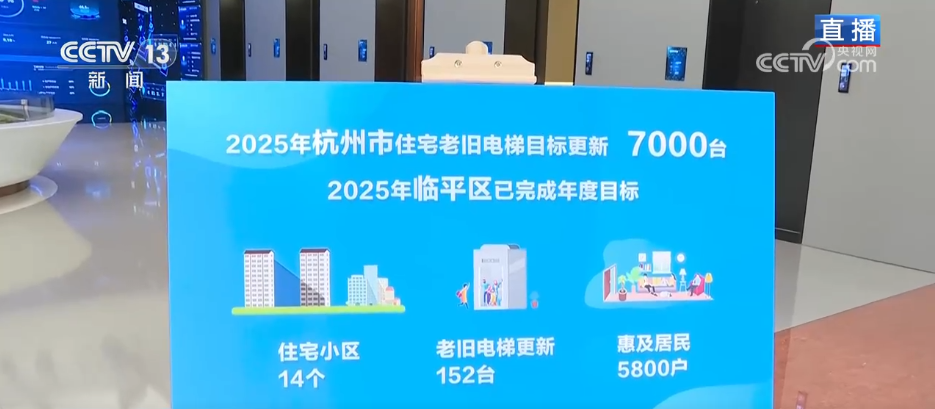
Speaking of Hangzhou, this year a "small goal" of 7,000 units has been set for the renewal of old residential elevators. The Linping District where the reporter is currently located has already completed the renewal and renovation of 152 old elevators in 14 residential communities, benefiting 5,800 households. So where exactly are these "renewed" elevators "new"?
The first "new" is not about appearance or speed, but is hidden in three words—safer. The system next to the reporter is an intelligent operation and maintenance platform independently developed by the enterprise. By installing IoT sensors on renewed elevators, the operating status of the elevators can be transmitted back to the backend in real time. In other words, the current operating status of every renewed elevator is "visible" here.
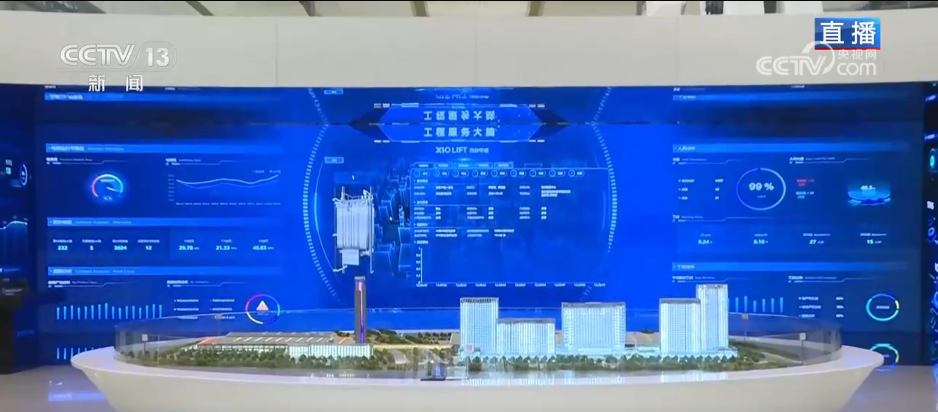
What an elevator maintenance worker may "fear" most is this system—because it can track the entire repair and maintenance path. Every completed step must be photographed and uploaded, and it may even be randomly inspected. It is precisely this invisible "newness" that achieves early warning of faults. In addition to being "safer," what everyone feels more intuitively may also lie in the riding experience of the new elevator. Although the reporter is not currently in an elevator in a residential community, through this display prototype at the factory, one can also feel that "new" thoughtfulness.
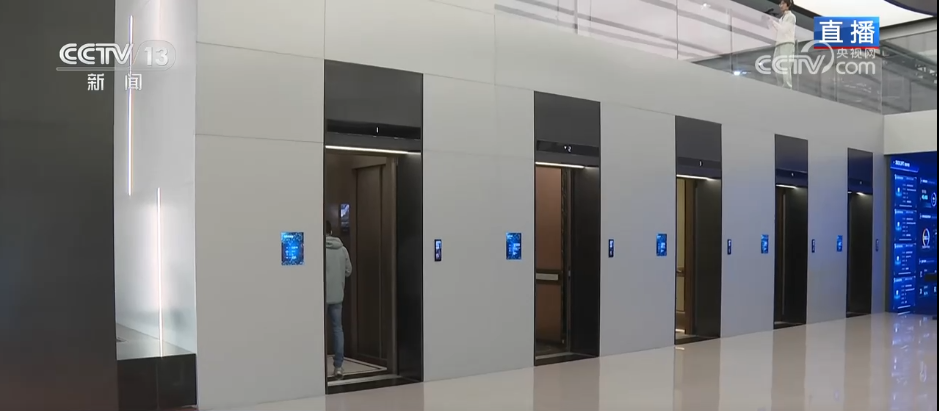
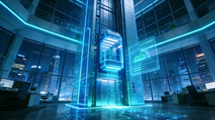
This is the cabin area of a commercial box elevator. Although residential elevators are generally not this large, there is one smart detail that is common to both—this digital large screen. I wonder if you still remember that in the old elevators of the past, various notices and announcements were plastered all over the cabin. Not only did it look messy, but the information was also difficult to update in a timely manner. Now, all information can be displayed in a centralized way on this screen. If the elevator malfunctions, it will immediately play a soothing prompt video to calm passengers' emotions. More importantly, this screen also reserves an expandable carrier for the future smart upgrading of the residential community.
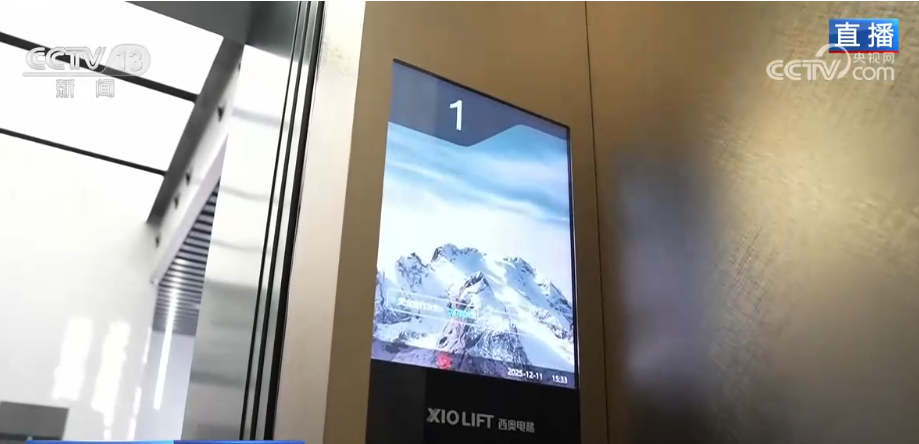
Elevator Renewal Enables Manufacturing Enterprises to Expand into "New Tracks"
Without further ado, let's directly experience a ride. In 6 seconds, the reporter went from the second floor to the first floor. The most obvious feelings were smoothness and quietness, while residents who have already used the new elevators gave even richer feedback: some said "the speed is faster," some mentioned that "energy consumption has actually decreased," and others said "even the air in the cabin feels fresher."
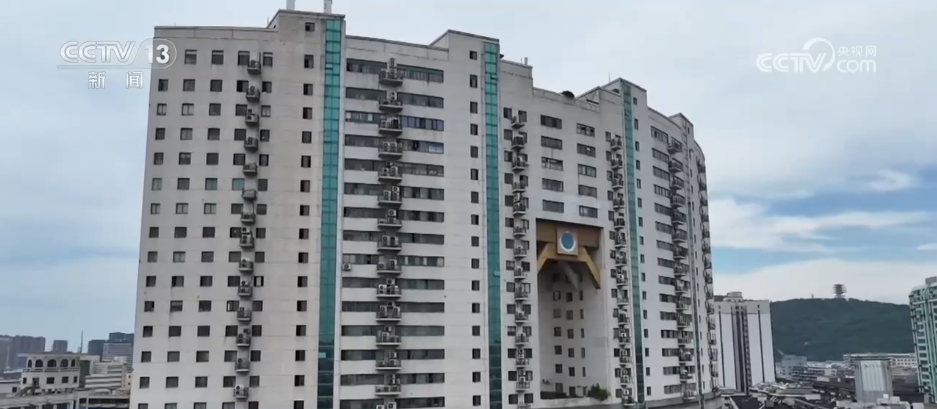
Did you know? In fact, every city, every residential community, and even every building unit has different renewal needs among residents. Facing this new business of "old elevator renewal," enterprise staff made an analogy: in the past, orders were taken with the "residential community" as the unit, but now the connection is refined to the "building unit" level. Moreover, each elevator has different individualized requirements. How can they both handle scattered orders and achieve "customization on demand"? The answer is right here.
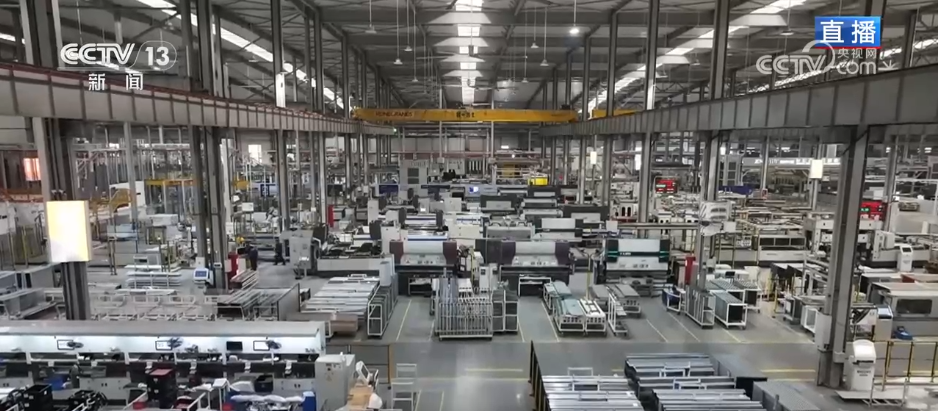
It is quite interesting to note—this is the enterprise's own smart factory after "equipment renewal," capable of producing one elevator every 120 seconds on average. But the real "black technology" lies in the fact that behind every physical production line there is a corresponding "digital twin system." Various customization details of the elevators are directly issued to the production line through data, with no need for manual communication or intervention throughout the process. From order placement to delivery, the fastest time is only 6 working days. The "elevator renewal" business unit has just become the enterprise's core revenue source. Because of the blue ocean market of "elevator renewal," this elevator manufacturing enterprise has also specially established an "elevator renewal" subsidiary, focusing on this field and expanding the domestic market.
What is "renewed" is not only the residents' sense of happiness of "direct arrival at the push of a button," but also the competitiveness of the manufacturing industry in "responding to change with intelligence."